

Compare five bar stool sets for a kitchen island or breakfast bar, from a height-adjustable pair to fixed counter-height seating. Start with the clearance under your counter, then decide how many seats you need and whether a swivel will help in your layout.
| Costway Adjustable Swivel Bar Stools | 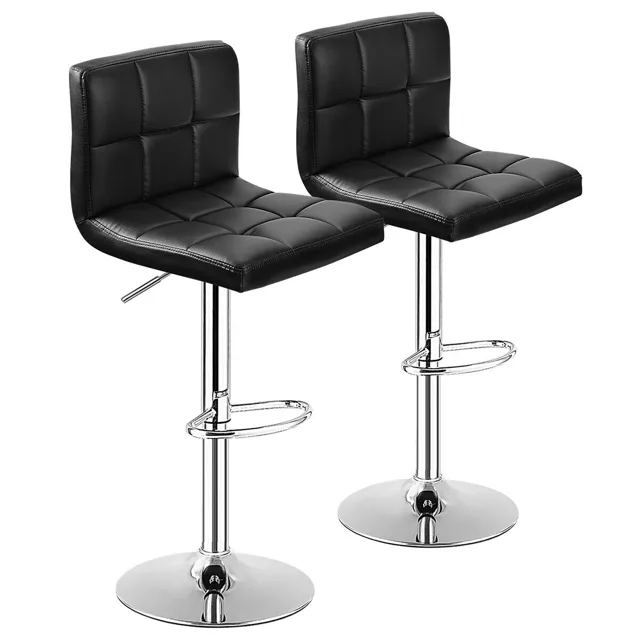 | Adjustable seat | Set size: Pair | Seat height: Adjustable | Movement: Swivel | View product | Read details |
| Garvee Black Counter Stools | 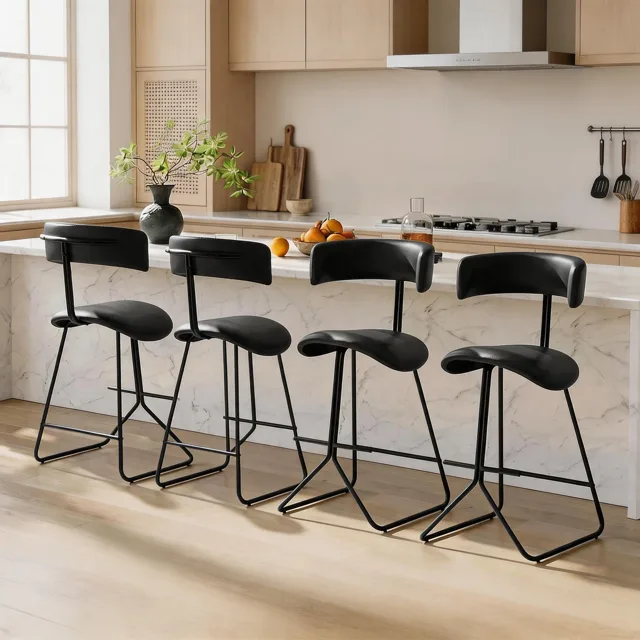 | Matching island seats | Set size: Four stools | Seat height: 25 inches | Upholstery: PU leather | View product | Read details |
| Garvee White Swivel Counter Stools | 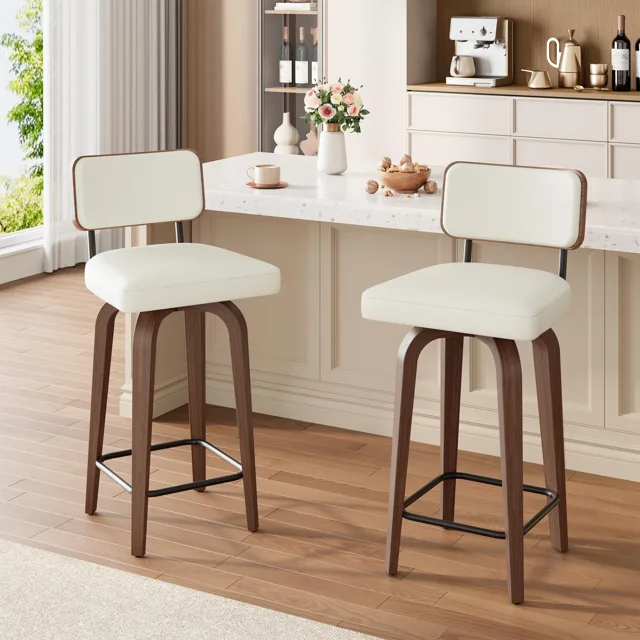 | Swivel at counter height | Set size: Pair | Seat height: 26 inches | Upholstery: Faux leather | View product | Read details |
| Garvee Brown Counter Stools | 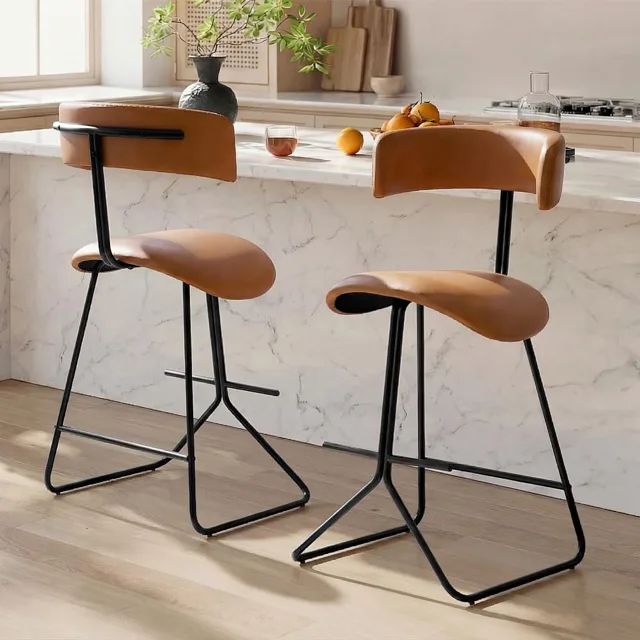 | Two-seat breakfast bar | Set size: Pair | Seat height: 25 inches | Upholstery: PU leather | View product | Read details |
| Garvee Gold-Frame Counter Stools | 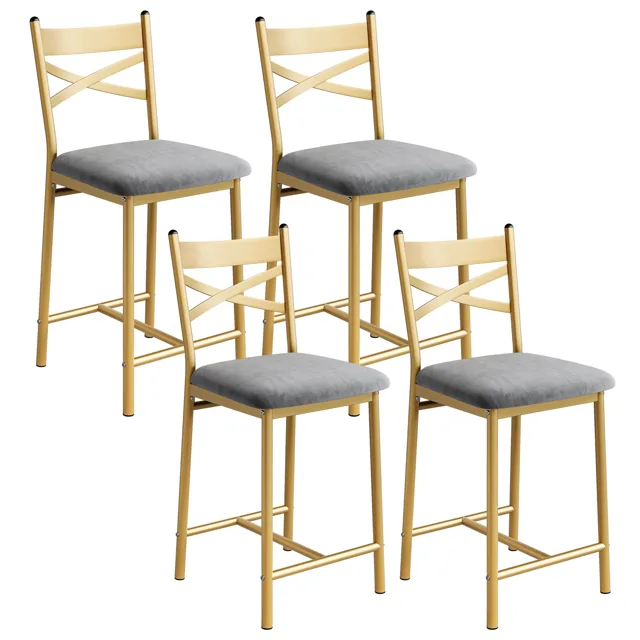 | Metallic accent | Set size: Four stools | Frame: Metal | Upholstery: Polyurethane | View product | Read details |
More Details on Our Top Picks
Costway Adjustable Swivel Bar Stools
Adjustable seat
The Costway Adjustable Swivel Bar Stools let you vary the seat height at a kitchen island or breakfast bar. The swivel seat is worth considering if you want to turn between the worktop and the rest of the room. Measure from the floor to the bottom of the counter and check that the adjustment range leaves enough legroom. If both stools will share the counter, leave room between the seats so people can turn and get up easily.
Garvee Black Counter Stools
Matching island seats
Garvee lists this black set with 25-inch seats, curved backs, integrated footrests and PU leather upholstery. The four matching stools suit a longer island where you want the same seat at each place. The armless design leaves the sides open for getting on and off. Measure the width between any island supports before deciding how many seats to line up. Garvee advises wiping the upholstery with a soft, damp cloth.
Garvee White Swivel Counter Stools
Swivel at counter height
The Garvee White Swivel Counter Stools combine light faux leather with walnut wood legs. Garvee lists a 26-inch seat height and a full-turn swivel, with a contoured seat, backrest and footrest. That combination suits an island that opens onto a living or dining area, where you might want to face in either direction. Check the space around the seat and backrest as they turn, especially if the stools will sit beside a wall or at the end of the counter.
Garvee Brown Counter Stools
Two-seat breakfast bar
The brown Garvee pair suits a breakfast bar with room for two seats. Garvee lists 25-inch seats with foam padding, curved backrests and integrated footrests. The base is powder-coated metal with rubber foot pads. The upholstery can tie in with warmer cabinet finishes, while the armless design leaves the sides open for access. Check how far the stools project into the walkway, both when they are in use and when tucked away.
Garvee Gold-Frame Counter Stools
Metallic accent
Garvee’s gold-finish stools bring a metallic accent to an island or breakfast bar. The listing specifies metal frames and polyurethane seats, with four pieces in the set. Consider them if you are coordinating with gold-toned lighting or cabinet hardware and have room for several seats. Assembly is required, and Garvee lists a damp cloth for cleanup. Confirm both the seat height and the clearance under your counter before choosing the set.
Factors to Consider When Choosing Bar Stools
Match the seat height to your counter or bar. Consider adjustable heights, cushioned seats, back support and swivel based on how you’ll use the stools daily. Materials such as faux leather, metal and wood affect how the stools look and how you care for them.
Height and Adjustability Options
Measure from the floor to the underside of the counter, including any apron or trim. Compare that measurement with the seat height and leave enough room for your legs.
Adjustable stools offer flexibility through gas lift or hydraulic mechanisms, letting you fine-tune height for different users and surfaces. Check the clear height range—minimum to maximum—to ensure compatibility with your existing counter. This prevents stools from being too short or too tall.
Consider how backed stools and seat cushions affect measurements. Cushion thickness and backrest design alter perceived height, so measure seat height plus padding. While swivel capability enhances seating ease and access, it doesn’t impact the effective height range you’ll need for proper fit.
Comfort and Cushioning Quality
Look for cushions that suit how long you tend to sit. Check the seat width and depth as well as the thickness of the cushion. Some seats narrow near the backrest, so check how much sitting area there is.
If the stools will be used for long meals or conversations, consider backed designs with a padded or contoured seat. Check where the backrest meets your back and how close the footrest is to the seat.
Material matters too. Wipe-clean upholstery like PU leather or faux leather maintains its comfortable feel with simple maintenance, ensuring your stools remain inviting for years.
Back Support Vs Backless
Should you choose a bar stool with back support or go backless? Your decision hinges on how you’ll use them. Stools with backrests give you something to lean against during a meal or conversation.
Backless stools prioritize flexibility and space efficiency. In a tight kitchen, check whether a backless stool fits fully beneath the overhang to keep the walkway clear. However, you’ll likely shift positions more frequently since there’s no backrest to lean against.
Consider your typical seating duration. If you spend hours at your kitchen counter, back support becomes essential. For quick meals or occasional use, backless designs offer practicality without sacrificing comfort.
Material and Durability Factors
A stool’s material affects the care it needs. PU leather is a wipe-clean option. Compare the upholstery care directions and look for a frame and seat design suitable for daily use.
If stools will sit near a patio door or in another damp area, check where the maker says they can be used. Compare the finish, frame and joinery, and look for pads to protect the floor.
Consider maintenance requirements before purchasing. Faux leather demands regular wipe-downs to prevent cracking, while wood and rattan backrests need occasional dusting. Gas lifts should feature protective coatings to prevent rust and ensure smooth height adjustments over time.
Swivel and Mobility Features
A swivel seat lets you turn between a worktop and the room behind you without moving the entire stool. Leave room to turn, especially when stools sit close together or next to a wall.
The swivel base typically pairs with a pedestal or gas lift design, maintaining stability during rotation. Check the weight capacity to ensure it supports your needs without compromising performance. Some models enhance mobility with ergonomic backrests or contoured seats that work seamlessly with the swivel function.
Consider the base design’s impact on your flooring—anti-slip protection prevents scratches while maintaining smooth rotation. These mobility features significantly affect your daily comfort and the stool’s long-term functionality.
Weight Capacity Limits
Check the weight limit in the product specifications for the model you are considering.
Check whether the manufacturer lists the limit per stool or for the entire set. That distinction matters when buying multiple pieces. Follow the stated limit.
Use the stated capacity alongside the seat dimensions and base design when deciding what works for your household.
Floor Protection Considerations
Where your bar stools meet the floor determines whether you’ll enjoy years of pristine surfaces or face costly refinishing work. Choose stools with non-scratch bases or floor-protecting materials specifically designed for hardwood and tile. Rubber or felt foot caps provide essential slip resistance while preventing surface damage, and rubber base rings offer similar protection around the perimeter.
Check the underside of a pedestal base for a protective ring. On a stool with separate legs, look for pads or caps made for your flooring.
For swiveling models, ensure smooth rotation and stable footing. Jerky movements or unstable legs cause sudden floor contact that creates scratches you’ll regret later.
Assembly and Maintenance Requirements
Check the assembly instructions so you know which tools the job requires. Tighten the fasteners as directed, including the adjustable or swivel components, and check the connections periodically.
Follow the care directions for the upholstery, especially when cleaning spills. Check floor pads or rings regularly so you can replace worn pieces before the stool base contacts the floor.
Frequently Asked Questions
How Do I Clean Spills and Stains From Different Bar Stool Materials?
Don’t cry over spilled milk—act fast! You’ll want to blot leather with damp cloths, wipe metal with mild soap, scrub fabric with upholstery cleaner, and use wood polish on wooden stools to prevent lasting damage.
What Is the Ideal Bar Stool Height for My Kitchen Island?
Measure from the floor to the underside of your island counter, including any apron. Compare that measurement with seat height and allow enough clearance to sit and turn comfortably.
How Much Weight Can Typical Bar Stools Safely Support?
Weight limits vary by model. Check the manufacturer’s listed capacity per stool before purchasing.
Can Bar Stools Be Used Outdoors on a Covered Patio?
As they say, not all that glitters is gold. You can use bar stools outdoors if they’re weather-resistant. Choose materials like powder-coated metal, all-weather wicker, or treated teak that’ll withstand moisture and temperature changes.
How Do I Prevent Bar Stools From Scratching My Floor?
You’ll prevent scratches by adding felt pads or rubber caps to your bar stool legs. Replace them regularly as they wear down. You can also use furniture glides or place protective mats beneath high-traffic seating areas.