
Studies show that 71% of visitors form their first impression of a business based on restroom quality. You’ll find that the right bathroom sign does more than point the way—it sets the tone for your entire space. Whether you’re running a trendy café or updating your home, 2026’s top five bathroom signs combine ADA compliance with designs that actually enhance your décor. Let’s explore which option deserves a spot on your wall.
| iCustomLabel Relax, Soak, Unwind Bathroom Sign |
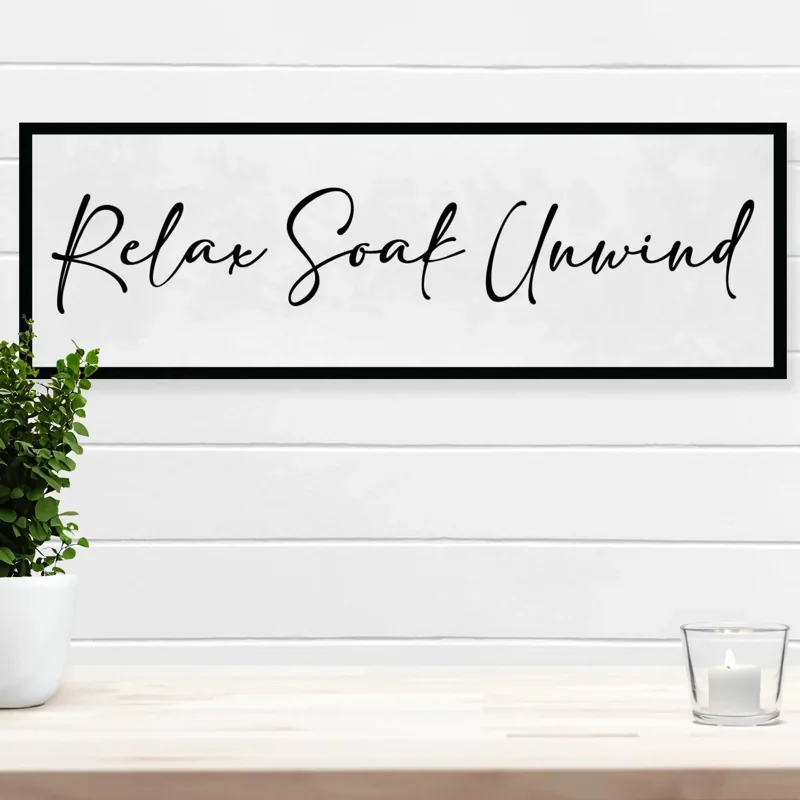
| Decorative Home Pick | Dimensions: 18 inches wide × 6 inches high | Material: Quarter-inch MDF | Use: Indoor decorative sign; no braille | View at iCustomLabel | Read Our Analysis |
| ADA Sign Factory EP5111 Unisex Restroom Text Sign |
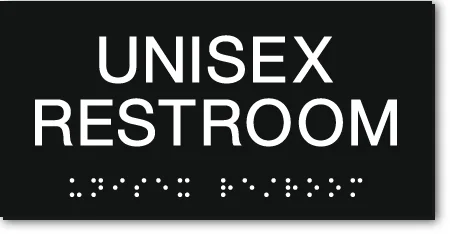
| Budget-Friendly Option | Size: 6 inches wide × 3.125 inches high | Material: CAD-cut acrylic | Features: Raised text, Grade 2 braille and foam mounting strips | View at ADA Sign Factory | Read Our Analysis |
| Rock Ridge Men’s Accessible Restroom Sign |
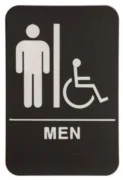
| Best Overall | Size: Approximately 6 × 9 inches | Material: Plastic | Layout: Men and wheelchair symbols; raised white text and braille | View at Rock Ridge | Read Our Analysis |
| ADA Sign Factory EP5005 Unisex Restroom Sign |
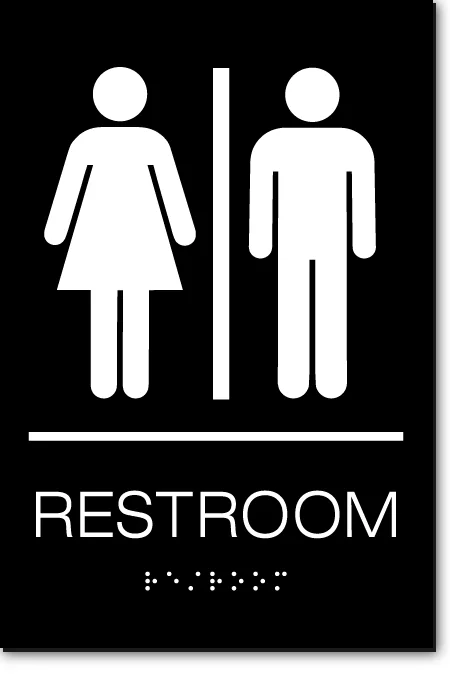
| Premium Choice | Size: 6 inches wide × 9 inches high | Material: CAD-cut acrylic | Tactile detail: Graphics raised 1/32 inch; Grade 2 braille | View at ADA Sign Factory | Read Our Analysis |
| Rock Ridge Unisex Restroom Sign |
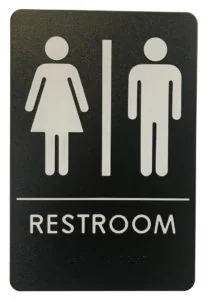
| Best Value | Size: Approximately 6 × 9 inches | Layout: Unisex symbols with raised white text and graphics | Braille: Raised braille included | View at Rock Ridge | Read Our Analysis |
More Details on Our Top Picks
iCustomLabel Relax, Soak, Unwind Bathroom Sign
This rectangular sign uses calming words to add a simple decorative accent above a towel bar or bath area. Its sealed MDF face is intended for indoor bathroom walls and can handle ordinary steam, but should stay out of direct shower spray. The single-piece format is an alternative to arranging three separate word signs.
ADA Sign Factory EP5111 Unisex Restroom Text Sign
A compact text-only sign offers a straightforward way to identify a unisex restroom. The CAD-cut acrylic panel includes raised lettering, Grade 2 braille and adhesive foam mounting strips. Choose a finish and confirm that the sign and its installation suit the location; the black-and-white version shown prioritizes contrast over a metallic appearance.
Rock Ridge Men’s Accessible Restroom Sign
This black plastic sign identifies a men’s accessible restroom with contrasting white lettering and graphics. The approximately 6-by-9-inch panel includes raised symbols and braille. It is a single men’s sign, so choose separate women’s or other restroom signs where the building requires them and confirm the appropriate installation requirements.
ADA Sign Factory EP5005 Unisex Restroom Sign
A full-height acrylic sign combines restroom graphics, raised lettering and Grade 2 braille. The black-and-white model shown uses a clear, traditional layout, and the maker also offers alternative finishes. Adhesive foam strips are supplied for wall mounting; this listing is for one sign rather than a two-pack.
Rock Ridge Unisex Restroom Sign
A black-and-white unisex sign provides a simple restroom marker with raised text, graphics and braille. The approximately 6-by-9-inch format is easy to recognize without adding a decorative frame or metal finish. Confirm mounting hardware and placement with the maker for the intended location.
Factors to Consider When Choosing Bathroom Signs
When you’re selecting bathroom signs for your space, you’ll need to balance legal requirements with practical functionality. ADA compliance isn’t optional—your signs must meet specific standards for accessibility, including proper placement, contrast, and tactile elements. Beyond regulations, consider how material durability, installation ease, size visibility, and braille features will impact both your budget and long-term maintenance needs.
ADA Compliance and Accessibility
Although aesthetic appeal matters when selecting bathroom signage, legal compliance and accessibility must take priority to ensure your facility serves all visitors safely and effectively. Position your signs adjacent to the door handle with the centerline between 48–60 inches from the floor. Include Grade 2 Braille and raised tactile text to assist users with vision impairments. You’ll need high-contrast, large lettering paired with clear icons to improve readability for patrons with low vision. Choose secure mounting options like adhesive strips, screws, or tamper-resistant hardware that won’t obstruct accessibility features. Clearly designate each restroom’s function—whether Men, Women, All-Gender, or Restroom—and maintain consistency with your facility’s other signage to minimize confusion for all visitors.
Material Durability and Waterproofing
Why settle for bathroom signs that deteriorate within months when durable, waterproof options can serve your facility for years? Choose signs made from water-resistant materials like vinyl, plastic, or metal to withstand bathroom humidity and splashes. Look for waterproof or water-resistant coatings and finishes that prevent fading and warping over time.
Prefer signs with sealed edges or printed-on surfaces to resist moisture intrusion and peeling. Metal signs, particularly aluminum, generally offer higher durability in wet environments than thin wood or paper-based signs. They’ll maintain their appearance and legibility longer.
Don’t overlook the installation method—adhesive backing, screws, or mounting hardware must maintain contact resilience against humidity and temperature fluctuations. This ensures your signs stay securely attached regardless of environmental conditions.
Installation Method and Ease
Material quality means nothing if you can’t install your bathroom signs properly or efficiently. Installation methods range from adhesive backing and double-sided tape to screws, Velcro, or command strips. Adhesive-backed signs work best on smooth surfaces but struggle with rough textures or porous materials. For versatile options, look for signs with multiple mounting solutions—screws for permanence or Velcro for temporary installations.
If you frequently update restroom signage, choose command-strip or Velcro solutions that won’t damage walls. Some manufacturers include foam adhesive, screws, or removable mounting hardware for added flexibility.
Follow accessibility guidelines when installing: position signs 48–60 inches from the floor and near door handles. Clear installation instructions ensure you’ll meet compliance standards while maintaining professional appearance.
Size and Visibility Requirements
How far can visitors read your bathroom signs before they’re standing directly in front of them? That distance determines your ideal sign dimensions. Balance legibility against wall space by choosing 6×8 inches or 9×6 inches based on viewing distance.
Maximize readability with clear contrast—dark text on light backgrounds or vice versa—which performs well in varied lighting conditions. For ADA compliance, you’ll need high-contrast text with Braille, mounted 48 to 60 inches from the finished floor.
Select adequate thickness and durable materials that won’t bend or fade, especially for high-traffic or outdoor entrances. When using multiple signs, vary sizes to create visual hierarchy. This approach enables quick recognition from different angles and distances, ensuring visitors locate facilities effortlessly throughout your space.
Braille and Tactile Features
When shopping for ADA-compliant bathroom signs, you’ll encounter two essential tactile elements: raised characters and Grade 2 Braille dots. Grade 2 Braille uses contractions to convey words efficiently, making it the standard for restroom signage. You’ll want raised lettering at 1/32 inch thickness—this measurement ensures durability while remaining perceivable to touch.
Pay attention to placement requirements: mount your signs with centers at 60 inches height and position them near door handles for easy accessibility. The best options combine raised graphics with Braille, creating inclusive designs that serve all guests effectively.
These tactile features aren’t just decorative—they’re critical navigation tools for visually impaired visitors. Choosing signs with properly executed raised elements and contracted Braille ensures your facility meets ADA guidelines while demonstrating commitment to accessibility.
Design Style and Aesthetics
Your bathroom signs reveal more about your space than you might think—they’re visual ambassadors that communicate your facility’s personality before visitors even step through the door.
Match your signs to your environment: rustic wooden signs complement farmhouse aesthetics, while sleek brushed-metal options elevate modern offices. You’ll need to balance form with function by deciding between decorative pieces (like Relax/Renew/Refresh wood signs) and ADA-compliant signage that meets accessibility requirements.
Prioritize readability through high-contrast combinations—black on white or white on black ensures instant legibility. Consider your mounting method too: double-sided dots, adhesive backing, screws, or Velcro should align with your wall textures and installation preferences. Select durable finishes like fade-resistant painted wood or vinyl brushed-gold surfaces that’ll maintain their visual appeal long-term.
Indoor Vs Outdoor Use
Beyond aesthetics and mounting methods, the location of your bathroom signs fundamentally changes which materials and features you’ll need.
Indoor signs prioritize readability at eye level with finishes like brushed gold or matte black that complement your interior decor. You can use adhesive mounting or standard screws, and focus on ADA-compliant features like braille and high-contrast text without weatherproof ratings. Choose decorative styles—rustic wood or modern metal—that match your design vision, though you should avoid moisture exposure near showers unless they’re rated for damp environments.
Outdoor signs demand higher durability standards. You’ll need weatherproof materials with UV-resistant coatings to prevent fading, plus impact resistance against vandalism. These signs must withstand rain, temperature fluctuations, and corrosion while maintaining visibility in daylight from greater distances.
Mounting Surface Compatibility
Where will you install your bathroom sign? Your surface type determines which mounting method works best. Wood, metal, and glass surfaces typically accept adhesive backing or double-sided tape, but they’ll need to be clean, smooth, and dry for proper adhesion. Painted walls work well with removable tape or Velcro for damage-free installation.
Textured or porous surfaces require screw mounting or stronger hardware instead of simple adhesive strips. Consider your surface’s durability before committing to a mounting method.
Follow ADA guidelines by positioning signs adjacent to the door handle at 48–60 inches from the floor. If you’re renting or can’t drill holes, opt for signs with removable fasteners. Match your mounting hardware to both your surface material and installation requirements for long-lasting results.
Frequently Asked Questions
How Do I Remove Old Adhesive Bathroom Signs Without Damaging the Wall?
You’ll want to use a hairdryer to heat the adhesive, then gently peel the sign off. Remove any remaining residue with rubbing alcohol or adhesive remover on a soft cloth, working carefully to protect your wall’s finish.
What’s the Ideal Height to Mount Bathroom Signs for Accessibility?
You’ll absolutely revolutionize accessibility by mounting your bathroom signs at 48-60 inches from the floor to the sign’s center. This height ensures you’re accommodating wheelchair users and meeting ADA compliance standards while remaining visible to all guests.
Can Bathroom Signs Be Used in High-Moisture Environments Like Showers?
You shouldn’t place bathroom signs directly in shower areas. The constant water exposure will damage most materials. Instead, you’ll want to mount signs outside the shower where they’re protected from direct water spray and steam.
Do Bathroom Signs Require Professional Installation or Are They Diy-Friendly?
Most bathroom signs are DIY-friendly and don’t require professional installation. You’ll find they typically include adhesive backing or simple mounting hardware. You can easily install them yourself in minutes, saving money on professional services.
How Often Should Bathroom Signs Be Replaced or Updated?
You should replace bathroom signs every 5-7 years or when they show visible wear, fading, or damage. However, you’ll want to update them sooner if you’re rebranding, renovating, or changing your space’s aesthetic style.