
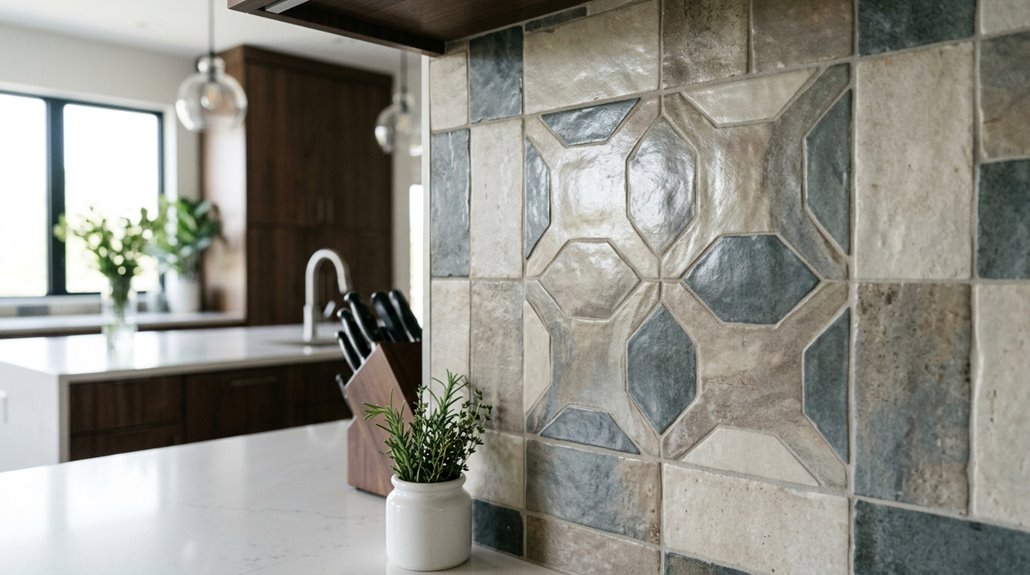
The best kitchen tiles for 2026 do two jobs at once: they look right, and they survive steam, oil and splashes. The six below cover the main routes. There are peel-and-stick vinyl sheets for a fast backsplash, rigid PVC tile panels that can be painted, a tile-print wallpaper that lifts off again, and a vinyl plank for the floor. All of them carry their own adhesive, so none needs grout, mortar or a tiler.
Art3d Peel and Stick Backsplash Tiles, 10 Sheets
Looking for an easy way to update a kitchen wall without the mess of a full tiling job? The Art3d Peel and Stick Backsplash Tiles, 10 Sheets is a pack of ten 12 by 12 inch sheets that carry their own adhesive, and the seller lists several finishes in the same listing. There is no grout line to fill afterwards, and the sheets press onto a clean, flat wall.
Tanga ships the set from a US warehouse and accepts returns for 30 days. A ten-sheet pack covers a single backsplash run or a small feature wall, which makes it a reasonable first step before committing a whole kitchen to one pattern.
Smart Tiles White Glazed Peel and Stick Wall Tile
For a plain white finish, the Smart Tiles White Glazed Peel and Stick Wall Tile is a vinyl tile with a glazed white face and a peel-and-stick backing, sized 9.56 by 10.61 inches. The glazed surface gives the look of white ceramic without a grout line, so it suits a kitchen that is already busy with pattern elsewhere.
The tile comes as four-tile packs, and this listing is six packs, so one order is 24 tiles. White is the easiest finish to match to cabinets, countertops and appliances that are already in place.
Fasade Traditional Matte White Wall Tile Panel
Where peel-and-stick sheets feel too thin, the Fasade Traditional Matte White Wall Tile Panel is a rigid PVC panel measuring 18 by 24 inches. The maker describes the design as twelve square and circle patterns punctuated with floral forms, finished in matte white that can be painted if you want it to follow a cabinet color.
The panels are sold singly and join with the brand's standard profile trims instead of grout, so the edges are finished with trim rather than silicone. That makes them a good fit for a backsplash behind a stove or a sink where a flat, wipeable surface matters.
Fasade Traditional Smoked Pewter Wall Tile Panel
The same 18 by 24 inch panel also comes in the smoked pewter finish, which the maker describes as a blend of dark earth tones and deep gun-metal grey. Each panel is again 18 by 24 inches and uses the same standard profile trims, so the two Fasade finishes can be mixed on one wall if you want a border or a contrast band.
A darker tile is the quicker way to change the mood of a kitchen that already has light cabinets, and the rigid panels can be cut to fit around sockets and the ends of a run.
RoomMates Mediterranean Tile Peel and Stick Wallpaper
If the kitchen is rented, or the tiled look is temporary, the RoomMates Mediterranean Tile Peel and Stick Wallpaper prints a blue Mediterranean tile pattern on a 20.5 by 16.5 inch sheet, sold as a pack of four. The maker says it goes on in two steps, peel and stick, and lifts off afterwards without leaving sticky residue.
RoomMates also lists it for DIY crafts and flat furniture surfaces, so offcuts can go on a shelf back or a small cabinet panel rather than in the bin. It is a print rather than a tile, so it belongs on a wall that takes splashes rather than one that gets soaked.
ProSource Dark Oak Peel and Stick Vinyl Plank Tile
For the floor, the ProSource Dark Oak Peel and Stick Vinyl Plank Tile is a self-adhesive vinyl plank measuring 36 by 6 inches, packed 20 planks to a box. The maker lists 30 square feet of coverage per box, a 1.5 mm total thickness, a 2.8 mil wear layer and a water-resistant, no-wax surface.
ProSource says the plank can go over any dry, clean, smooth and level subfloor and is rated for both homes and commercial rooms, which matters in a kitchen where chairs and feet do the damage. It is the one product here aimed at the floor rather than the wall.
Factors to Consider When Choosing Kitchen Tiles
Choosing the right kitchen tiles involves considering several important factors that can affect both style and function. For instance, materials like ceramic or porcelain are known for their durability and water resistance, making them practical choices for busy kitchens.
Additionally, ease of installation and maintenance play a big role. Homeowners should think about how much time they’re willing to spend cleaning and whether they prefer tiles that are simple to put in place.
Material Durability
Ever wondered what makes a tile truly stand the test of time in a busy kitchen? Durability is key, and several factors come into play. Thicker tiles tend to resist impacts better and wear more slowly, making them ideal for high-traffic areas. Waterproof and moisture-resistant materials prevent warping, staining, and mold—common issues in kitchens.
For regions prone to spills and splashes, tiles with anti-scratch and high-impact qualities help maintain their appearance, even with frequent cooking and movement. Materials like PVC, vinyl, and polyurethane are also popular—they’re durable, heat-resistant, and easy to clean. Additionally, textured or 3D surfaces hide micro-scratches and wear, extending their life, but require proper cleaning to keep looking good.
Style Compatibility
Have you ever wondered how to make sure your kitchen tiles blend seamlessly with your overall design? Choosing tiles that match your room’s style creates a cohesive look that feels just right. For example, modern kitchens often look great with sleek, large tiles in neutral colors, while vintage or retro spaces might shine with brick or subway patterns. Color coordination is also key; neutral tones like beige, white, or grey are versatile and pair well with many cabinet finishes.
The texture of the tile can set the mood—glossy for a sleek, contemporary vibe or textured for a warm, inviting feel. Finally, consider pattern scale and shape—big tiles for a modern look or smaller, intricate tiles for traditional charm. All these choices help ensure your tiles support your kitchen’s unique style.
Installation Ease
Is ease of installation a top priority when selecting kitchen tiles? For many, the answer is yes, especially for DIY projects. Peel-and-stick tiles with self-adhesive backing make installation straightforward because they don’t require glue, tape, or mortar. This can save both time and frustration.
Many tiles are designed to be cut with simple tools like utility knives or tin snips, helping fit around outlets and corners more precisely. A smooth, dry surface is usually recommended for the best adhesion, so textured or uneven walls might need some prep work beforehand. Some tiles feature interlocking or grid-based designs, reducing gaps and making pattern matching easier. Plus, buying an extra 10% of tiles can help with cuts and pattern adjustments, easing the planning process.
Water Resistance
When selecting kitchen tiles, water resistance becomes a key factor to contemplate, especially in spaces prone to splashes and spills. Tiles with good water resistance can withstand moisture without peeling, warping, or deteriorating over time. Many peel-and-stick or vinyl-backed options advertise waterproof or water-resistant features, making them popular choices for kitchens and backsplashes.
However, some tiles are suitable only for damp areas and caution against prolonged water contact or immersion. To avoid damage, look for tiles with sealed or laminated surfaces, moisture-resistant backing, or those explicitly labeled as waterproof. Porous or untreated tiles are best avoided in high-moisture zones, as they tend to absorb water and break down faster.
Choosing the right water-resistant tile ensures durability and keeps the space looking fresh longer.
Maintenance Needs
Considering maintenance needs is essential when choosing kitchen tiles, as some styles require more effort to keep looking their best over time. For example, peel-and-stick tiles are popular for their easy cleanup: just wipe them clean, and no grout means fewer stains and less scrubbing. Many tiles also feature waterproof and moisture-resistant qualities, making them perfect for kitchens and areas with water splashes.
Some tiles are simple to install, cut with a utility knife, and placed over smooth surfaces, making updates hassle-free. However, textured or embossed tiles may need more careful cleaning, as dirt can hide in grooves. Regular upkeep involves keeping surfaces dry and clean before installation and allowing proper curing time to ensure tiles stay firmly in place, reducing the chances of peeling or damage.
Cost Effectiveness
Thinking about the overall cost of kitchen tiles involves more than just looking at the price tag; it requires a careful comparison of how much coverage each pack provides and what that means for your budget. Comparing packs by the area they cover, rather than by the number of tiles, is the quickest way to see which one is better value. Thicker tiles may cost a bit more but tend to last longer, reducing the need for replacements and ongoing repairs. Peel-and-stick options can also save money by cutting down on installation costs and adhesives.
Plus, choosing water and stain-resistant tiles helps keep cleaning costs low over time. Remember to buy about 10% extra tiles to handle cuts and design adjustments without extra expense later.
Frequently Asked Questions
Are Peel and Stick Tiles Suitable for High-Moisture Kitchen Areas?
Peel and stick tiles are generally suitable for high-moisture kitchen areas if they feature waterproof backing and a durable surface. However, prolonged exposure to water may cause adhesion issues. Making professional installation or choosing high-quality options preferable for longevity.
Can These Tiles Be Easily Removed Without Damage?
Tiles can often be removed with care, but the ease depends on how they were fixed. Adhesive may leave damage or residue on the wall, so it is worth getting advice before you start on a surface you want to keep.
What Maintenance Routines Are Recommended for Different Tile Types?
Maintenance routines vary: ceramic tiles require gentle cleaning with non-abrasive cleaners, while natural stone needs sealing and specific pH-balanced solutions. Like tending a garden, regular care preserves tile beauty and longevity.
This ensures a vibrant, enduring kitchen environment.
Are There Eco-Friendly or Sustainable Tile Options Available?
Eco-friendly and sustainable tile options include recycled glass, cork, bamboo, reclaimed wood-look tiles, and porcelain made with environmentally conscious processes. These choices reduce environmental impact and promote sustainability.
They are increasingly available in diverse styles suitable for modern kitchens.