
Our top 3 picks
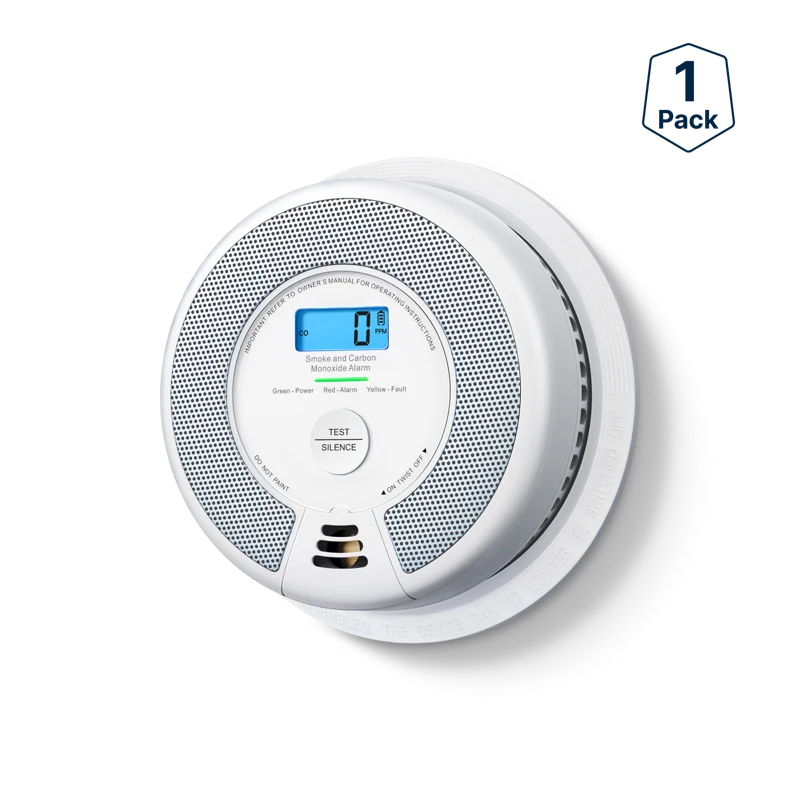
X-Sense SC07-MR
- Smoke and CO sensing
- Linked alarms via SBS50
- Phone notifications
Use coupon code BFCMXS13 for 13% off. Ends 30 Dec.
View Latest PriceRead our analysis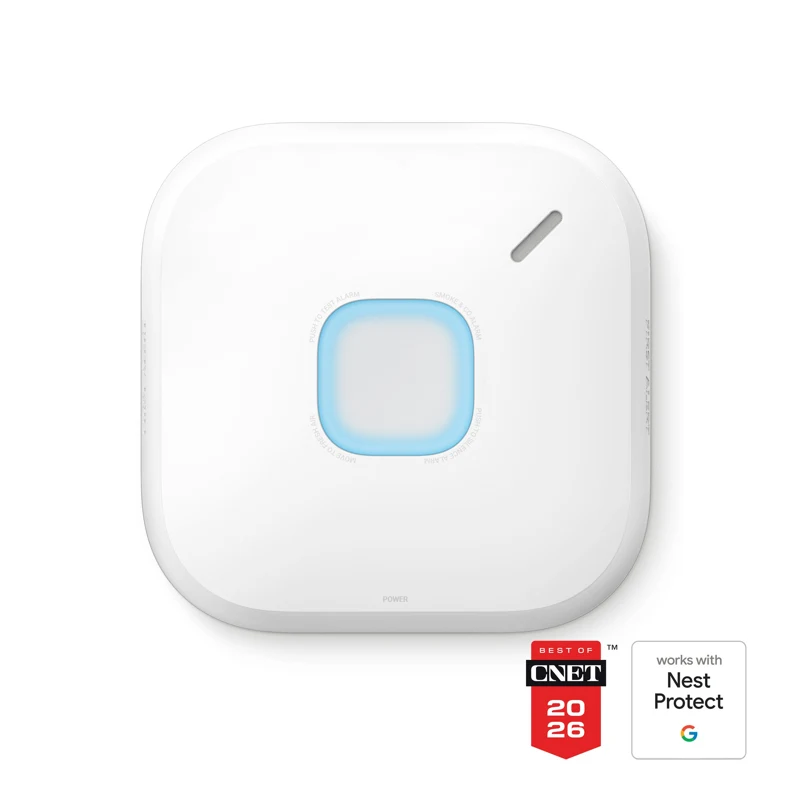
First Alert SC5 Battery
- Smoke and CO sensing
- Voice and phone notices
- Six lithium cells
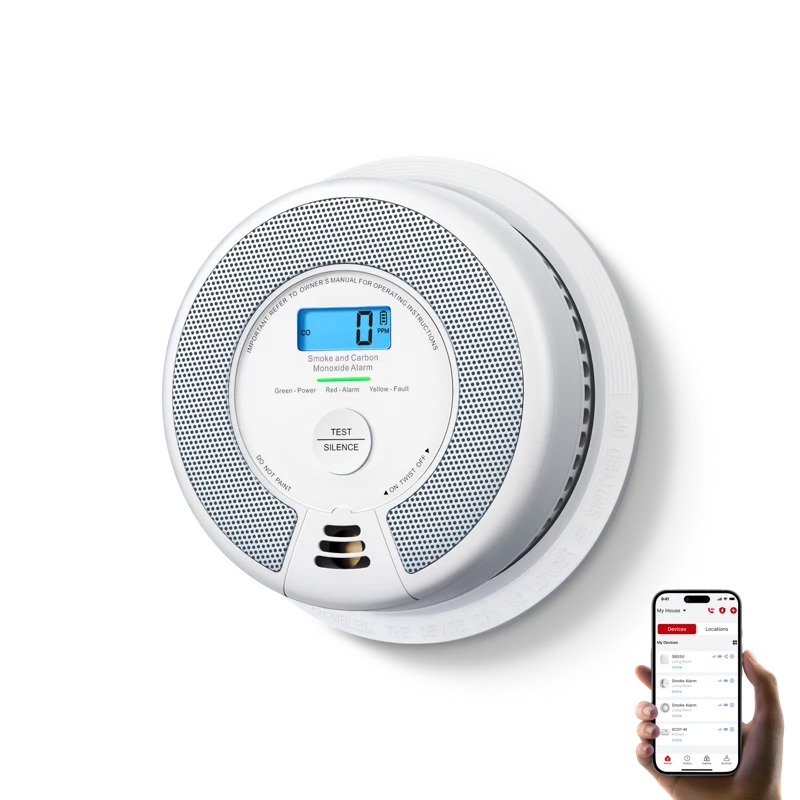
X-Sense SC07-WX
- Smoke and CO sensing
- Direct 2.4 GHz Wi-Fi
- Replaceable cell
Use coupon code BFCMXS13 for 13% off. Ends 30 Dec.
View Latest PriceRead our analysis
The short answer
The SC07-MR suits a base-station setup; the SC5 Battery suits a battery replacement. Choose the SC07-WX for direct Wi-Fi or the SC5 Hardwire for an existing wired circuit. All four detect both smoke and CO. A phone notice and a linked siren are different features.
In this guide
The best smart smoke detectors fit the home's existing alarms. Check the supply and connection plan too. This Black Friday smoke detector comparison covers four choices from two brands. Each choice also covers CO sensing. That matters for a Black Friday carbon monoxide detector purchase. The useful difference is how the units connect.
A sale can cut the order total, but it cannot establish suitability. Read the exact model number, pack contents and manual before buying. A replacement may look much like the old unit. It may need another bracket or a separate base station. Check its electrical connection too. Plan the whole installation before choosing the number of units.
1. X-Sense SC07-MR: base-station setup
X-Sense SC07-MR
Base-station setup
Our verdict: For a home that needs linked sounders and phone notices through an SBS50 base station.
Key specs: Link+ Pro connection; X-Sense Home Security; replaceable cell.
Pros: The system can send a notice and ring its connected units.
Keep in mind: An SBS50 is needed for the connected functions; check the selected pack.
Use coupon code BFCMXS13 for 13% off. Ends 30 Dec.
View Product DetailsThe SC07-MR combines phone alerts with Link+ Pro interconnection. It uses the SBS50. X-Sense describes a setup in which connected sounders respond together. That is the reason to choose it over a direct-Wi-Fi alternative. A notice on a phone is useful when away. Linked sounders have a separate job inside the building.
The maker page offers several pack sizes. The five-unit kit includes an SBS50; smaller packs have different contents. Check the selected package. Not every order includes the base station. This matters for an existing setup too.
The maker also lists room naming and source identification. These functions can help show which unit triggered the warning. Cell changes remain part of ownership. It suits a buyer who wants one supported family of devices. Plan where the base station will sit.
2. First Alert SC5 Battery: wireless replacement
First Alert SC5 Battery
Wireless replacement
Our verdict: For a battery-powered installation with voice notices and a supported radio link.
Key specs: SMCO600NV; photoelectric and electrochemical sensors; six CR123A cells.
Pros: It can link to supported SC5 and Nest Protect units.
Keep in mind: Nest compatibility requires Google Home and a Google Account.
View Product DetailsThe SC5 Battery, model SMCO600NV, has two sensors. One is photoelectric for smoke. An electrochemical sensor detects carbon monoxide. Its voice alerts identify the kind and location of danger. First Alert lists six replaceable CR123A lithium cells. This is not a sealed 10-year battery design.
This version suits a location without a mains connection. It can link by radio with supported SC5 units. The maker's compatibility list also includes Nest Protect. That connection requires Google Home and its associated account. Check the exact supported units before planning a mixed-brand network.
The maker lists these features for the SMCO600NV. Compare the battery version with the wired version below by installation requirements, not by their similar front panels.
3. X-Sense SC07-WX: direct wi-fi choice
X-Sense SC07-WX
Direct Wi-Fi choice
Our verdict: For a spot needing phone notices without a separate base station.
Key specs: SC07-WX; X-Sense Home Security; direct router connection.
Pros: It connects to the router without an SBS50.
Keep in mind: It does not interlink with other sounders or the SBS50.
Use coupon code BFCMXS13 for 13% off. Ends 30 Dec.
View Product DetailsThe SC07-WX connects to 2.4 GHz Wi-Fi. It sends notices through X-Sense Home Security. It needs no SBS50 and is not compatible with that base station. It suits phone monitoring without a separate base station.
App connectivity and interconnection serve separate jobs. The maker's support explanation places this family in direct Wi-Fi. It has no alarm interconnection. One triggered unit does not make the other SC07-WX units ring. Do not buy several to create linked sirens. Adding them to one account does not link them.
The unit has a cell that can be changed and sends low battery notices. Its screen can show status. Reading it is not the same as hearing a local warning. It fits a spot where a direct connection is wanted. It has no linked sounders.
4. First Alert SC5 Hardwire: wired replacement
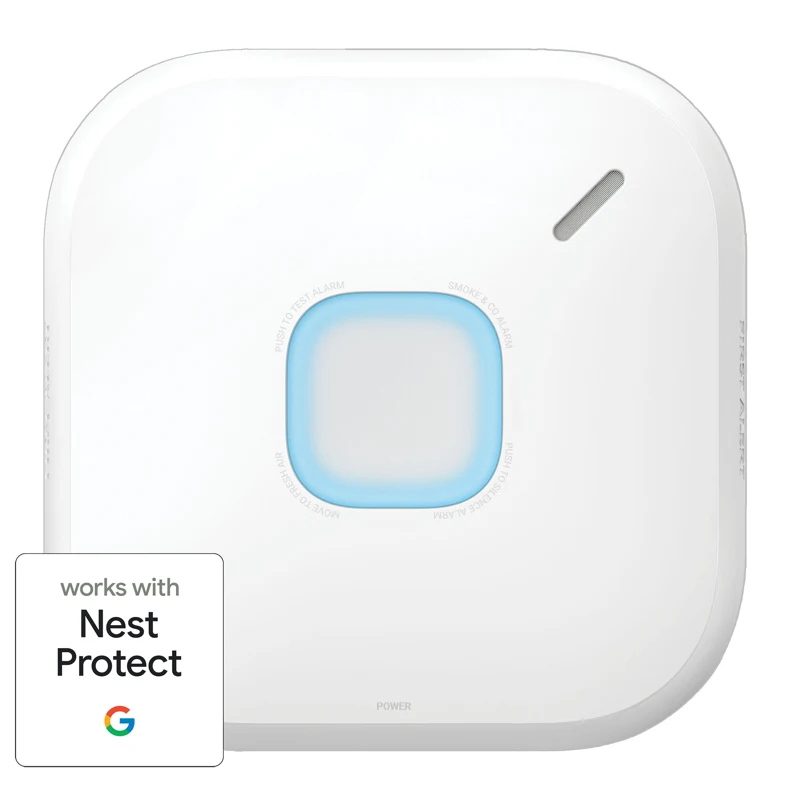
First Alert SC5 Hardwire
Wired replacement
Our verdict: For a compatible wired installation where mains supply and a reserve cell are wanted.
Key specs: SMCO600NV-AC; photoelectric and electrochemical sensors; non-replaceable reserve cell.
Pros: The maker lists a quick-connect plug and linked voice notices.
Keep in mind: Existing plugs, wiring and linked units need a compatibility check.
View Product DetailsThe SC5 Hardwire, model SMCO600NV-AC, uses mains power with battery backup. First Alert lists a non-replaceable lithium reserve cell. It has a quick-connect plug. Its sensor pair covers smoke and carbon monoxide. Voice notices identify the event and room.
The hardwired smoke connection is the key distinction from the battery-operated SC5. It can link with units on the maker's compatibility list. A familiar plug shape does not prove the circuit is suitable. Check the wiring instructions and supported combinations before replacing an old unit.
First Alert lists the same 5.75-inch width for both SC5 versions. Check supply and connection as well as footprint. It suits a wired position that meets the manual's requirements. MRO Supreme's listing names the hard-wired version. Confirm that version in the order.
Factors to consider when choosing smart smoke detectors
Connected detection: app notices or linked sounders?
A smart smoke alarm can send phone messages. It may not make other units sound. An interconnected design links local sounders. Decide which ability the home needs before comparing offers.
Real-time messages are a connection feature, not a guarantee that a phone will receive every notice. A low signal can affect delivery. So can a lost router connection or phone settings. Since these functions depend on a network, check the local operation too. November shopping should not delay replacing an expired unit.
Also check what happens without internet access. Cloud functions depend on the connection; the manual explains the local operation.
Battery, hardwired supply and backup
A 10-year service life does not mean cells last that long. A sealed unit has its own care rules. So does one with a removable power source. Read both the replacement date and the battery instructions. For a hardwired smoke installation, match the supply and connector. Check the approved interconnect arrangement.
A mains unit can have a reserve cell for an outage. That feature does not settle whether a circuit is suitable. Follow the installation instructions and local requirements. If electrical work is needed, use a qualified installer. Never choose just because the casing fits the old detector's space.
Smoke and carbon monoxide: separate hazards
Smoke and carbon monoxide call for separate sensing. CO detection has its own sensor. The manual defines the trigger threshold. A combination unit includes both; a smoke-only unit does not establish CO protection. CO is an odorless gas, so smell cannot be used to judge a leak. The U.S. Fire Administration's CO guidance explains placement and prevention.
A heat unit, a plug-in gas detector and a smoke alarm are not interchangeable. Check the label for the hazard type covered and the applicable standard. A large number on a promotional page is not evidence of reliable operation. Verify the exact product rather than relying on a shared brand name.
Placement, testing and the home safety plan
The U.S. Fire Administration's smoke guidance calls for coverage in bedrooms, outside sleeping areas and on every level. Follow the maker's ceiling or wall mounting directions and required spacing. A unit left on a shelf has not been installed as directed.
Test each unit monthly as instructed, and check its age. Smoke alarms generally need replacement after 10 years. The exact manual controls the schedule. Routine cleaning and working cells matter even with phone monitoring. Include everyone in the escape plan. The response should not depend on finding a phone.
Black Friday codes and the full order
The X-Sense offer is BFCMXS13 for 13% off. Its stated end is 30 December 2026. It is linked beside the relevant buttons. No MRO Supreme discount is asserted. Compare pack contents, delivery and returns before ordering. A missing base station adds to the cost of the setup.
Smart smoke and CO alarm questions
What is the best carbon monoxide detector for a connected home?
The right choice depends on the connection plan. The SC07-MR suits SBS50 linking; SC5 suits supported existing units. The SC07-WX fits direct Wi-Fi without interconnection. The recommendations follow published supply and connection specifications.
Does every smart smoke detector trigger the other units?
No. Phone connectivity alone does not provide that function. Check the interconnect description for the exact version. The SC07-WX has no linked-sounder function, while the SC07-MR uses its supported base station.
When should smoke detectors be replaced?
Check the manufacture date and maker's instructions. A low-cell chirp and an end-of-life notice have distinct meanings. Replacing the cell does not reset an expired sensing element. Keep a record of the installation date to make the next check easier.
Where should a carbon monoxide alarm go?
USFA recommends a central position outside each sleeping area and on every level. A combined unit must also follow the smoke-placement directions in its manual. The room layout, local rules and stated clearances all affect the final position.
What if a CO detector gives an emergency warning?
Leave the building at once and call 911. The CDC's CO safety guidance gives that response. Do not stay inside to inspect a display or wait for a second notification.
Which models are available, and what should a buyer add?
These products offer two connection types, plus a wired version. Select equipment designed for its stated position. A device should meet local rules. It must also fit its bracket. Compare the options early so installation is planned before delivery.
How should an alarm be tested?
Each alarm has a button or remote procedure in its instructions. A function test follows the maker's steps. It takes time to check each unit. Check for warnings and replace batteries when instructed. Published technology labels do not remove those tasks.
Is phone monitoring free, and what does the display show?
Check the current service terms for the selected unit. X-Sense markets an optional dispatch service separately from its connected functions.
If a spare room is becoming an exercise area, our home gym equipment roundup compares folding stations and barbells by room fit.