
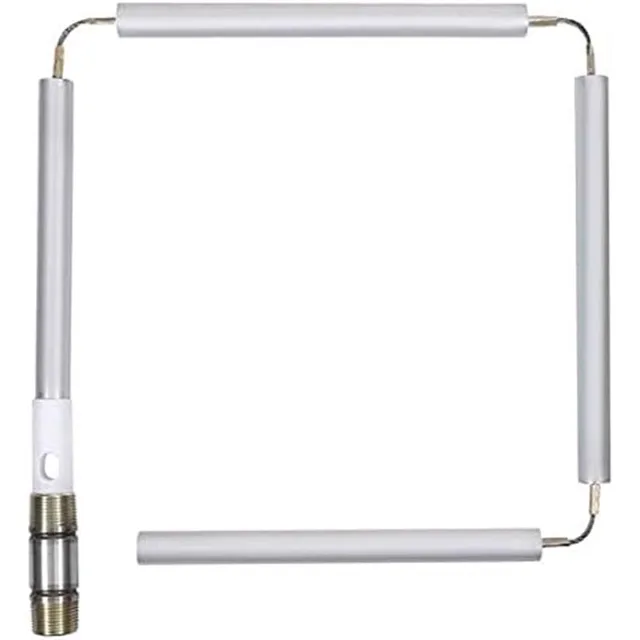
Eastman Aluminum Electric Anode Rod Review
We may earn a commission from some links on this page.
The Eastman aluminum electric anode rod is a sacrificial rod for electric water heaters: aluminum, 5/8 in. in diameter and 42 in. long, sold as a single rod in a bag. It screws into the heater's anode port and corrodes in place of the steel tank, which is how an anode rod is meant to work. This review sets out what the rod is, how the size is chosen, why aluminum is the usual pick for hard water, and what replacing one involves, so you can judge whether it suits your tank.
In this review
- What the Rod Does in the Tank
- Sizing and Fit
- Why Aluminum Suits Hard Water
- Detailed Features
- Advantages and Disadvantages Overview
- Replacing the Rod
- Frequently Asked Questions
Key Takeaways
- A sacrificial aluminum rod that is fitted to an electric water heater in place of the steel tank as the part that corrodes.
- The maker lists a 5/8 in. diameter and a 42 in. length, sold one rod to a bag.
- Aluminum is the rod material generally chosen for hard water, rather than magnesium.
- Fits through the anode port on the tank, so the port size and the old rod's length are what you match before ordering.
- An anode rod is a consumable part: it is meant to be used up and changed.
What the Rod Does in the Tank
Water heater tanks are steel with a glass lining, and the lining does not cover every seam and fitting. An anode rod gives the corrosion something else to attack. Because aluminum is less noble than steel, the rod gives up metal before the tank does, and the tank stays intact for longer.
That is the whole job of the part. A sacrificial rod has no wiring and no controls; it works because of the metals in contact with the water. What changes from one heater to the next is the size of the rod, the thread on the port and the material.
Because the rod is consumed in use, its condition is a maintenance item. Once the aluminum core is used up, the tank is on its own. Checking the rod at service time and replacing it when it is spent is cheaper than replacing the heater.
Sizing and Fit
This rod is 42 in. long with a 5/8 in. diameter, which is a common size for electric heaters. Length matters because the rod has to sit inside the tank without fouling the elements or the outlet: a rod that is too long will not seat, and one that is much too short leaves water at the bottom of the tank with less protection.
The thread is the other half of the fit. Anode rods screw into a dedicated port on the top of the tank, usually under the top cover and the insulation. Before ordering, look at the old rod or the port and match the thread, then check the length against the heater's capacity.
The maker sells this as a single bagged rod, model 60288, so a replacement is a straight swap with no kit to assemble.
Why Aluminum Suits Hard Water
Anode rods come in three common materials: magnesium, aluminum and zinc. Magnesium protects the tank strongly but reacts with sulfate in some water supplies, which is behind a lot of the rotten-egg smell people notice in hot water. Aluminum is the usual choice where the water is hard or carries that sulfate, because it does not drive the same reaction.
The maker lists this rod as aluminum, which puts it in that second group. If your hot water has a sulfur smell and the old rod was magnesium, an aluminum rod is the standard swap, along with flushing the tank.
Aluminum is also a softer metal than the steel it protects, so the rod wears as intended rather than passivating and stopping. The trade is that a rod in aggressive water is consumed faster and needs more frequent checks.
Detailed Features
Eastman builds this as a plain service part rather than a fitting with extras. The details the maker lists are the ones that matter for ordering and fitting.
| Feature | What It Means for the Job |
|---|---|
| Aluminum construction | The material usually picked for hard water |
| 5/8 in. diameter | A common rod size for electric heaters |
| 42 in. length | Suits taller electric tanks |
| Sold one to a bag | A single replacement rod, no kit |
| Electric water heater use | Made for the anode port on an electric tank |
The specification is short, which is normal for an anode rod: material, thread, diameter and length are what a buyer needs. There is no control board, sensor or power lead to fail, and nothing to adjust after the rod is in.
Advantages and Disadvantages Overview
How does this rod compare with the alternatives? It is a straightforward aluminum rod, and aluminum is the right material for a lot of domestic water. It also needs no electrical connection, so it fits an ordinary electric heater with no wiring or outlet nearby.
The limits are the other side of that simplicity. It is a consumable, so it will be used up and changed. It also only suits tanks whose port takes this size and thread, and it is listed for electric heaters rather than gas.
| Advantages | Disadvantages |
|---|---|
| Aluminum suits hard water | Consumable, needs replacing |
| No power or wiring needed | Suits only matching port size and thread |
| Single rod, simple swap | Listed for electric heaters |
For a household with hard water and an electric tank, those disadvantages are mostly about maintenance rather than performance: the rod does its job, and the owner checks it on a schedule.
Replacing the Rod
The job is a plumbing task rather than an electrical one, but it starts with the power. Switch the breaker off at the panel, shut the cold inlet, and open a hot tap to take the pressure off the tank. Drain enough water that the level sits below the anode port.
The port is usually under the top cover, beneath a layer of insulation. Once it is exposed, the old rod comes out with a socket and breaker bar, and the new one goes in with thread sealant on the port. Refill the tank before restoring power, so the elements are not energised in air.
If the old rod comes out with nothing left but the steel core, the tank has been unprotected for a while; if it is coated but still thick, the schedule can be stretched a little. Either way, a rod is easier to replace than a heater.
Frequently Asked Questions
Does this rod fit any electric water heater?
No. It is 42 in. long with a 5/8 in. diameter, so it suits heaters whose anode port takes that size and whose tank has room for the length. Check the old rod and the port before ordering, and look at the heater's capacity if the tank is short.
Is aluminum better than magnesium for smelly hot water?
Aluminum is the usual swap when hot water has a sulfur smell, because magnesium rods can react with sulfate in the water and drive that smell. Flushing sediment out of the tank at the same time helps, which is why a flush kit is worth having on hand.
How often does an aluminum rod need changing?
It depends on the water. A rod in aggressive or hard water is used up faster than one in soft water, so the only reliable answer is to pull it and look. Many owners check it once a year at service time and replace it when most of the aluminum has gone.
Can the rod be fitted without draining the whole tank?
You do not need to empty it. Shut the inlet and the power, open a hot tap to release pressure, and drain only enough that the water level drops below the anode port. The tank is refilled before the power goes back on.
Does the rod affect how the heater performs?
It does not change how fast the water heats. Its effect is on the tank: it keeps the steel from corroding, which is what decides how many years the heater lasts. Scale and sediment are a separate job, handled by flushing.