
RoomMates Charcoal Grasscloth Peel and Stick Wallpaper Review
We may earn a commission from some links on this page.
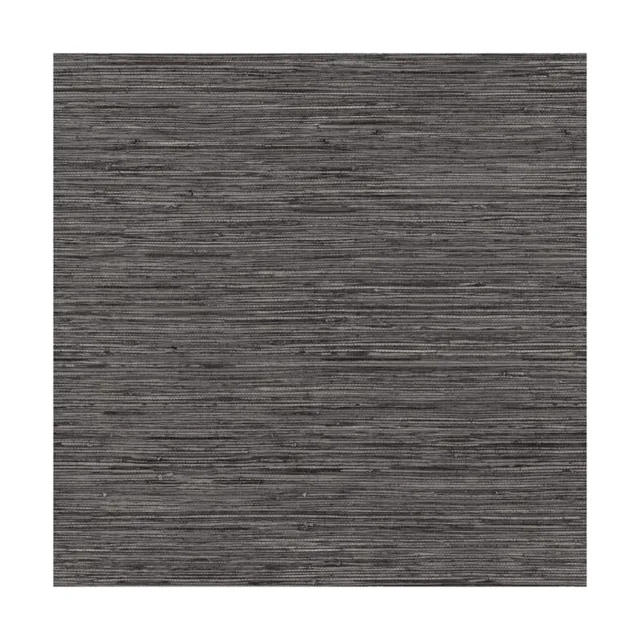
A dark textured wall is the quickest way to give a plain room some depth, and the RoomMates Charcoal Grasscloth Peel and Stick Wallpaper is one of the least permanent ways to get it. It is a self-adhesive paper with a grasscloth texture in charcoal, sold on a roll 20.5 inches wide and 198 inches long. There is no paste, no water tray and no booking time: the backing peels off and the paper presses onto the wall. The listing describes it as removable in full strips, and it is reusable, so a wall can go back to plain without a steamer or a scraper.
In this review
- Charcoal With a Grasscloth Texture
- How the Paper Goes Up
- Where the Paper Works Best
- Detailed Features
- Advantages and Disadvantages Overview
- Similar Papers to Compare
- Frequently Asked Questions
Key Takeaways
- Charcoal grasscloth texture on a self-adhesive paper, so no paste is needed.
- Each roll is 20.5 inches wide and 198 inches long.
- The listing describes the paper as removable in full strips and reusable.
- It is listed for walls, furniture, crafts and other decor, not only for a full room.
- A dark paper shows a crooked seam, so the first strip has to go up straight.
Charcoal With a Grasscloth Texture
Grasscloth is the woven look that has been on walls for decades: a fine horizontal weave, slightly uneven, that catches the light instead of reflecting it. The RoomMates version prints that texture rather than weaving real grass fibres, which is what keeps it thin enough to be self-adhesive and cheap enough to be temporary.
The colour is the other half of the effect. Charcoal reads as near-black in a dim room and as a soft grey where daylight reaches it, so the same wall changes through the day. In a bedroom it makes the room feel enclosed and calm; in a hallway or behind a shelf it gives the things in front of it something to sit against. The listing puts the colour family as grey, and the paper is a flat charcoal rather than a glossy black, so it does not throw back a sheen.
How the Paper Goes Up
The method is the whole point of a peel and stick paper. You measure the drop, cut the strip a little longer than you need, peel back a few inches of the backing at the top and press that edge onto the wall. From there you work down, peeling and pressing as you go, and smooth each section flat with a hand or a plastic tool before moving on.
Two things decide whether the finish looks right. The first is the wall: the listing's method assumes a smooth, clean, dry surface, and any grit or flaking paint will show through a dark paper. The second is the first strip. Once it is on, it can be lifted and repositioned, but every later strip is lined up against it, so a strip that goes up out of plumb throws the whole wall out. A spirit level and a pencil line are worth more here than any tool.
Removal is the reverse. The listing says the paper comes off in full strips in seconds and keeps the wall safe, and that the paper can be reused. In practice that makes it a reasonable choice for a rented flat, a teenager's room or a wall you expect to change again within a couple of years.
Where the Paper Works Best
A charcoal grasscloth suits a feature wall rather than a whole room. One wall behind a bed, a sofa or a dining table gets the depth without shrinking the space, and the remaining walls can stay light so the room does not go dark. It also works on a smaller scale: the listing suggests furniture, crafts and decor, so a chimney breast, the back of a shelving unit or a plain cabinet door are all fair game, and an offcut can cover a panel that a whole roll would waste.
Bathrooms and kitchens need more thought. A self-adhesive paper is not the same as a sealed wall covering, and steam and splashes are hard on an adhesive backing, so it belongs on a wall that stays dry rather than directly behind a shower or a hob.
Detailed Features
| Feature | What the listing gives |
|---|---|
| Colour | Charcoal, in the grey colour family |
| Texture | Grasscloth weave print |
| Roll size | 20.5 inches wide by 198 inches long |
| Hanging method | Peel and stick, no paste |
| Removal | Lifts off in full strips, listed as wall safe |
| Reuse | Listed as reusable |
| Other uses | Walls, furniture, crafts and decor |
Advantages and Disadvantages Overview
| Advantages | Disadvantages |
|---|---|
| No paste, water or booking time | Wants a smooth, clean wall |
| Removable in full strips | A crooked first strip spoils the line |
| Reusable on another wall | Not sealed against steam and splashes |
| Works on furniture and panels too | Dark paper shows every seam and bump |
The balance is straightforward. A paste-the-wall paper gives a longer-lasting, flatter finish, but it needs a pasting table, a smoothing brush and a day of drying, and it takes the wall with it when it comes off. A peel and stick paper trades some of that permanence for a job you can do alone in an afternoon and undo the same way. In a room where the wall may change again, that trade is usually worth it.
Similar Papers to Compare
If the plain charcoal weave is not quite the look you want, there is a second dark option on the same retailer's shelf. The NuWallpaper Kylver has charcoal brushstrokes on a grey ground, inspired by ink painting, on one roll 20.5 inches wide and 18 feet long, so it gives a painterly pattern rather than a texture.
For a smaller job, the RoomMates Grey Grasscloth is the same grasscloth texture in grey on a 20.5 by 16.5 inch sheet, which suits a panel, a cabinet front or a piece of furniture rather than a full wall.
Frequently Asked Questions
Does this wallpaper need paste?
No. It is a peel and stick paper, so the adhesive is already on the backing and you press it onto the wall. There is no pasting table, no water and no drying time.
How wide is a roll and how much wall does it cover?
Each roll is 20.5 inches wide and 198 inches long. Measure the wall and add a little extra for the pattern line and for the cuts at the top and bottom.
Can it be removed without damaging the wall?
The listing says the paper lifts off in full strips and keeps the wall safe. That depends on the wall being sound and painted: paper over bare plasterboard or flaking paint will take the loose surface with it.
Can the paper be reused after it comes down?
The listing describes it as reusable. Keep the backing paper flat and clean when you take the strips down, because a creased or dusty backing will not stick again evenly.
Will it work in a bathroom or a kitchen?
It is better kept to walls that stay dry. Steam and splashes work at the adhesive edge, so put it on a bedroom or living room wall, or on furniture, rather than directly beside a shower or a cooker.