

| M-D Window Insulation Kit, 62 in W | 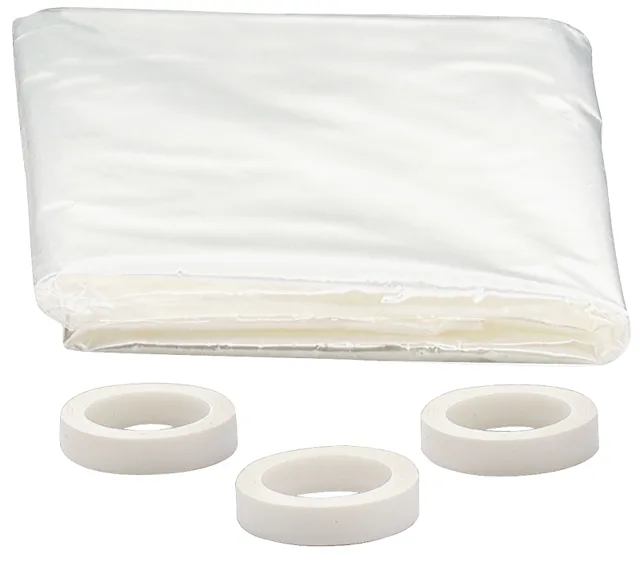 | Easy Installation | Material Composition: Clear film with sealing tape | Application Type: Window and patio door insulation | Length/Size: 62 in wide, five windows | Check price | Read Our Analysis |
| Sun Zero Norwich Blackout Curtains, 80 in. W | 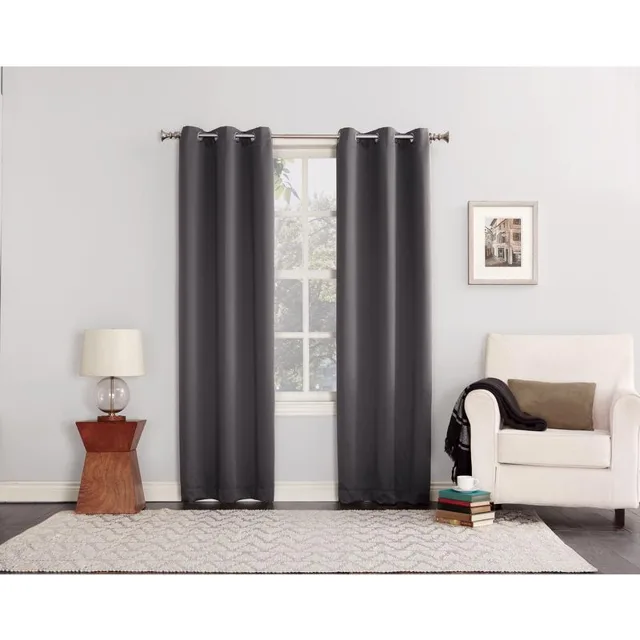 | Modern Insulation | Material Composition: Polyester with blackout lining | Application Type: Grommet curtain panels | Length/Size: 80 in wide, two panels | Check price | Read Our Analysis |
| 3M Clear Weather Sealing Tape, 30 ft | 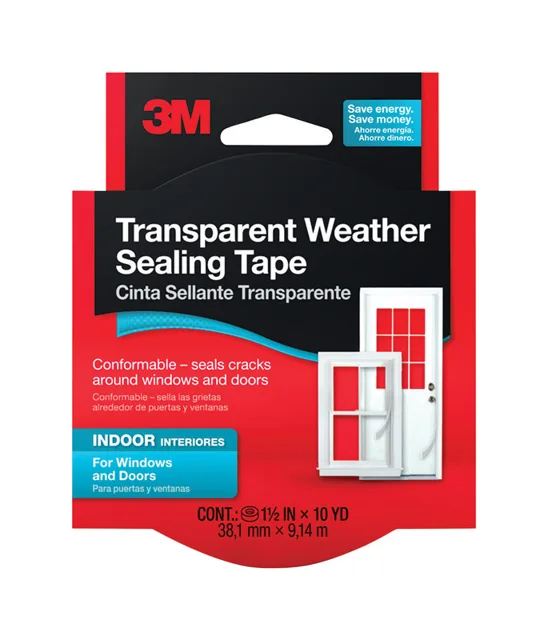 | Clear & Discreet | Material Composition: Clear silicone | Application Type: Window and door sealing tape | Length/Size: 30 ft roll | Check price | Read Our Analysis |
| M-D Foam Weather Stripping, 204 in | 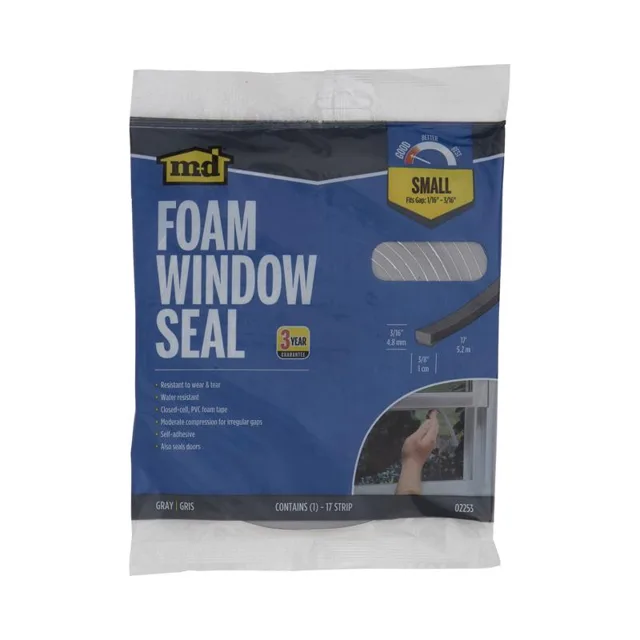 | Foam Seal | Material Composition: PVC closed-cell foam | Application Type: Door and window weather stripping | Length/Size: 204 in long, 3/8 in wide | Check price | Read Our Analysis |
More Details on Our Top Picks
M-D Window Insulation Kit, 62 in W
Easy Installation
The M-D 04200 Window Insulation Kit is a see-through film and tape kit for sealing one window or patio door for the season. The kit is 62 inches wide and carries enough film and tape for five standard windows, so it covers a whole room without a second purchase.
The film goes around the entire frame rather than just the edges. That traps a layer of dead air against the glass, which is what cuts the draft and the outside noise that comes with it, and it also stops frost building up on the pane in winter.
The film is clear, so daylight still comes through. When the season turns, it comes away and the window is back to normal.
- Material Composition:Clear film with sealing tape
- Application Type:Window and patio door insulation
- Length/Size:62 in wide, enough for five standard windows
- Ease of Installation:Tape around the frame, then fit the film
- Soundproofing Capability:Dead air layer plus a sealed frame
- Reusability & Durability:Seasonal; removable when the weather warms
- Additional Feature:See-through film keeps the light
Sun Zero Norwich Blackout Curtains, 80 in. W
Modern Insulation
Sun Zero's Norwich curtains put a layer of fabric between the room and the glass, which is the simplest way to take the edge off traffic and neighbor noise without touching the window itself. The set includes two gray panels, 80 inches wide, with built-in metal grommets.
The grommets slide onto a standard rod up to 1.5 inches across, so the curtains hang from hardware most rooms already have. The blackout lining blocks most incoming light and adds thermal insulation at the window at the same time.
The polyester fabric is machine washable on a cold, gentle cycle, which matters in a room where curtains pick up dust and damp.
- Material Composition:Polyester with blackout lining
- Application Type:Grommet curtain panels
- Length/Size:80 in wide, two panels
- Ease of Installation:Grommets fit rods up to 1.5 in
- Soundproofing Capability:Fabric layer and blackout lining at the glass
- Reusability & Durability:Machine washable polyester
- Additional Feature:Blocks most incoming light
3M Clear Weather Sealing Tape, 30 ft
Clear & Discreet
The 3M Clear Silicone Weather Sealing Tape is a transparent, self-adhesive strip for the gaps where a window frame meets the wall or the sash. It comes as a 30-foot roll of clear silicone that bends around corners and curves, so it follows the shape of the frame instead of fighting it.
Sealing those gaps stops the drafts that carry outside noise in with them. Because the tape is clear, it does not show from inside or outside, which makes it the pick for a window you do not want to cover.
The tape presses on by hand over a clean, dry surface. It is the quickest of these fixes and the one to try first if the noise comes through a visible crack rather than the whole pane.
- Material Composition:Clear silicone
- Application Type:Window and door sealing tape
- Length/Size:30 ft roll
- Ease of Installation:Self-adhesive; press onto a clean, dry surface
- Soundproofing Capability:Seals cracks and gaps
- Reusability & Durability:Flexible; conforms to angles and curves
- Additional Feature:Transparent finish
M-D Foam Weather Stripping, 204 in
Foam Seal
The M-D PVC foam weather stripping is a gray, self-adhesive strip of closed-cell foam for the small gaps around windows and doors. The roll is 204 inches long and the strip is 3/8 inch wide, so it fills a gap that a flat tape cannot.
Cut it to length with scissors and press it into place. The closed-cell foam seals out drafts, dust and moisture, and those same gaps are the path outside noise takes into the room.
It is the smallest and simplest fix here, and the one to use on gaps too narrow for film or curtains to help with.
- Material Composition:PVC closed-cell foam
- Application Type:Door and window weather stripping
- Length/Size:204 in long, 3/8 in wide
- Ease of Installation:Self-adhesive; cut to length with scissors
- Soundproofing Capability:Seals small gaps and cracks
- Reusability & Durability:Resists water and wear
- Additional Feature:Gray finish
Factors to Consider When Choosing Window Soundproofing
When choosing window soundproofing, it’s important to consider how well it can block noise, which depends on its effectiveness level. Additionally, the durability and quality of materials matter, especially if the product needs to withstand weather or frequent use.
Compatibility with different window types, ease of installation, and climate resistance are also key factors that ensure the solution works smoothly and lasts over time.
Soundproofing Effectiveness Level
Have you ever wondered why some windows do a better job at blocking out noise than others? The secret lies in their soundproofing effectiveness, which depends on how well the materials can absorb or reduce sound transmission. Thicker, denser materials like multi-layer fabrics or composites generally perform better than single-layer films. Key measurements, such as STC (sound transmission class) ratings and NRC (noise reduction coefficient) values, help gauge a material’s performance.
Open-cell foams and fibrous materials excel at damping airborne sounds, especially mid to high frequencies. Additionally, sealing gaps and drafts is crucial; no matter how good the material, sound can slip through loose spots. Layering different solutions can further boost noise reduction, making windows quieter and more peaceful.
Material Durability and Quality
Choosing the right window soundproofing material often comes down to its durability and quality, ensuring it can withstand daily wear and the test of time. Materials like polyurethane foam, open-cell NBR+PVC foam, or PU foam cores with nylon exteriors are designed to resist compression and maintain their shape, even with temperature changes.
Good soundproofing products also feature strong adhesives, whether heat-activated or requiring clean surfaces, for long-lasting performance. Multi-layer designs with wedge profiles or dense fabrics increase elasticity and help prevent deformation over the years. High-quality materials are built to endure various environments, withstanding extreme temperatures, weather, dust, and frequent use. Protective coverings, like fabric or reinforced edges, further boost durability, making these solutions reliable investments for lasting noise reduction.
Compatibility With Windows Types
Curious about how different window types impact soundproofing choices? The kind of window you have—whether glass, aluminum, plastic/vinyl, or wood—can really influence which soundproofing options work best. For example, gaps around frames and edges vary, so some seals are designed specifically for these spaces. Flexible wedge profiles or cut-to-size seals are great for irregular gaps found in casement or sliding windows.
Non-adhesive foam seals need clean surfaces and may require warmth for cold weather, affecting compatibility with painted surfaces. Also, the thickness and density of materials like foam or blackout fabrics matter, as they affect both sound dampening and how well windows can open and close. Choosing the right solution depends on understanding your window type’s unique needs.
Ease of Installation Process
When selecting window soundproofing solutions, the ease of installation can make a big difference in how smoothly the process goes and how satisfied someone will be with the results. Some products, like self-adhesive weather stripping, are designed for quick, tool-free setup: just trim to fit and stick on clean surfaces. Others, such as wedge-shaped foam seals, need gentle heating in cold weather to improve adhesion and are trimmed to match different gap sizes.
Tape-based seals offer a strong, mess-free bond that works on various surfaces, including glass and wood, with just some pressure. Insulation kits with pre-cut film or fabrics often include hardware or tape, making installation more straightforward. For temporary needs, many products are easy to remove with minimal residue, simplifying seasonal adjustments.
Climate Resistance Features
Considering climate resistance features is important when selecting window soundproofing solutions, especially for those living in areas with extreme weather. Windows need to withstand temperature swings from freezing cold to scorching heat, think from -40°C to 90°C, without losing their effectiveness. Durable seals, made to resist high temperatures and aging, help keep noise out during seasonal changes.
Some products are designed to handle wind, rain, dust, and moisture, ensuring seals stay intact no matter the weather. Materials like PU foam or NBR+PVC foam, often with self-adhesive backing, provide reliable sticking power even when temperatures fluctuate. In cold weather, warming the backing with a hairdryer can improve adhesion, making the solution last longer and perform better over time.
Aesthetic Compatibility
Have you ever wondered how to choose window soundproofing that blends seamlessly with your home’s style? It’s all about matching colors and textures—think gray or white foam seals that hide easily or blackout curtains that look elegant while blocking noise.
When selecting installation methods like adhesive strips or magnetic systems, consider how they fit with your window frames and decor. For curtains, fabrics with two-layer blackout linings or multi-layer acoustic materials can add both style and function. Transparent options, like clear tapes, help keep the look sleek and minimal.
Don’t forget about accessories. Bulky seals can clutter a space, so opt for options that stay discreet. The goal is a peaceful, quiet room that still feels like part of your home’s aesthetic.
Cost and Budget Range
Cost and budget range are important factors to think about when choosing window soundproofing solutions. For those on a tight budget, simple options like foam or tape can be quite effective and affordable, often costing just a few dollars. DIY seal kits and weather-stripping are even cheaper and easy to install.
On the other hand, higher-end solutions like multi-layer curtains come with a bigger price tag but offer better noise reduction. The size of the window and the amount of gaps also matter. Larger windows or multiple gaps require more sealant, increasing costs. Additional tools like adhesives or mounting hardware can add to the overall expense.
Balancing cost with desired effectiveness is key to making the right choice for any budget.
Additional Noise Reduction Benefits
Ever wonder why some window soundproofing solutions seem to work better than others? It’s often about the extra benefits they bring to noise reduction. Dense, multi-layer materials with sound-absorbing cores can block airborne noise more effectively than simple foam. Seals that are wedge-shaped or beveled fit better into irregular gaps, making windows more airtight and reducing noise leaks. Foams with high resilience bounce back quickly, keeping gaps closed over time and maintaining soundproofing.
Open-cell foam combined with fabric coverings can dampen a wider range of sounds, offering broader noise reduction. Additionally, proper adhesion and warm-back backing help keep seals intact, preventing air leaks that weaken soundproofing. All these factors help create a quieter, more peaceful home environment long-term.
Frequently Asked Questions
How Do Window Frames Affect Soundproofing Effectiveness?
Window frames markedly impact soundproofing effectiveness, as their material, design, and sealing quality influence how well sound waves are blocked or transmitted. Well-constructed, insulated frames improve acoustic performance by minimizing gaps and vibrations.
Are There Eco-Friendly Soundproofing Options for Windows?
Eco-friendly window soundproofing options are abundant, ranging from thick, recycled cotton and cellulose insulations to innovative, plant-based gels and biodegradable window inserts. These sustainable solutions dramatically reduce noise pollution without harming the environment.
Can Window Soundproofing Solutions Reduce Outdoor Noise Levels Significantly?
Window soundproofing solutions can substantially reduce outdoor noise levels, especially when combining multiple approaches such as double glazing, acoustic seals, and window inserts. These methods collectively diminish sound transmission and create a quieter indoor environment effectively.
How Does Window Orientation Influence Soundproofing Needs?
Window orientation considerably influences soundproofing requirements. Windows facing busy streets or loud sources require enhanced soundproofing measures, such as thicker glass or additional insulation, to effectively mitigate outdoor noise penetration and improve indoor acoustic comfort.
What Maintenance Is Required for Long-Term Soundproofing?
Long-term soundproofing maintenance resembles tending a delicate garden. It requires regular inspections, sealing gaps, cleaning surfaces, and replacing worn materials to assure the fortress of silence endures against time’s relentless march.