

| Tribesigns Wall Room Divider with Shelves | 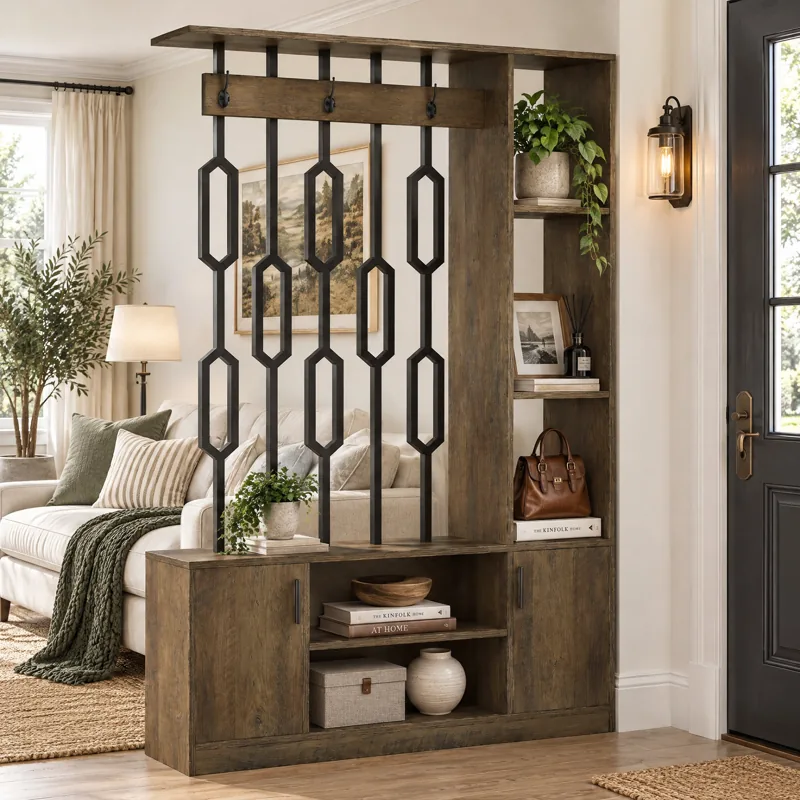 | Stylish Storage | Movability: Freestanding with stable base | Number of Panels: 1 panel with shelves | Material: Engineered wood, metal | Check price on Amazon | Read Our Analysis |
| Roundhill Black Japanese 4-Panel Room Divider | 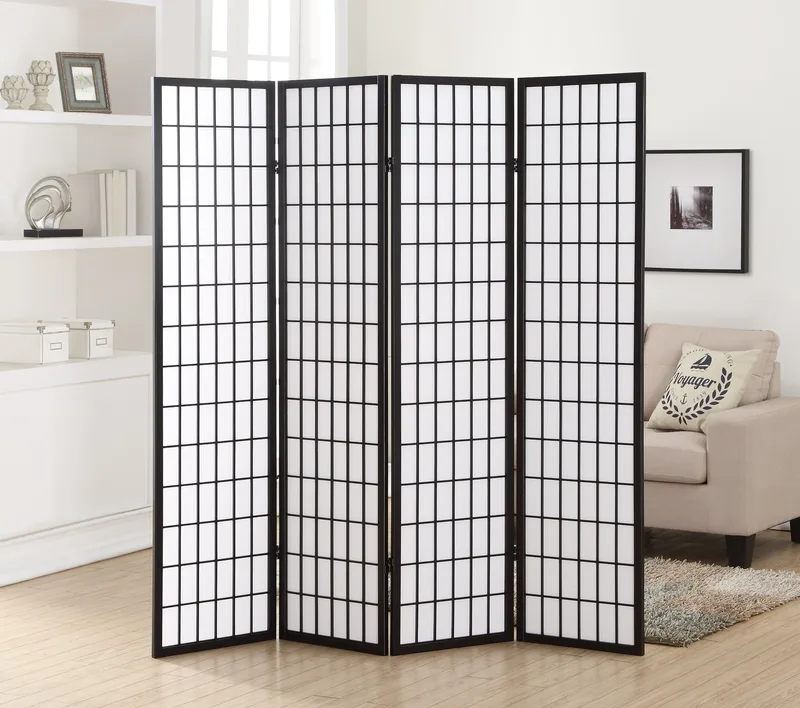 | Elegant Privacy | Movability: Foldable, lightweight, foldable panels | Number of Panels: 4 panels | Material: Rice paper, wood frame | Check price on Amazon | Read Our Analysis |
| Roundhill Arvada 4-Panel Wood Room Divider, White | 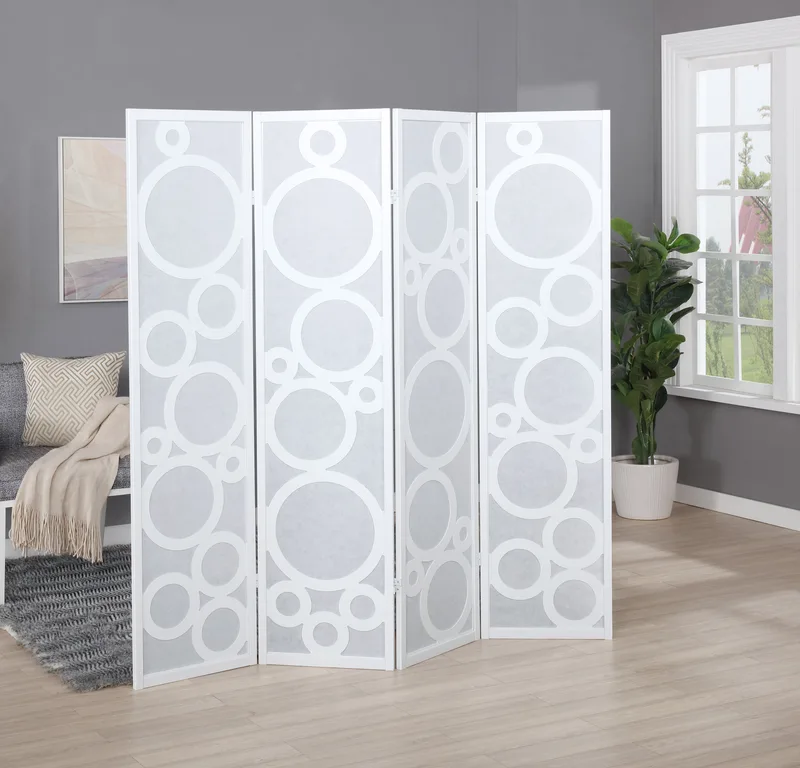 | Geometric White | Design: Circle pattern over a wood frame | Panels: 4 folding panels | Finish: White | Check price on Amazon | Read Our Analysis |
| Roundhill Inkwell 4-Panel Bamboo Room Divider | 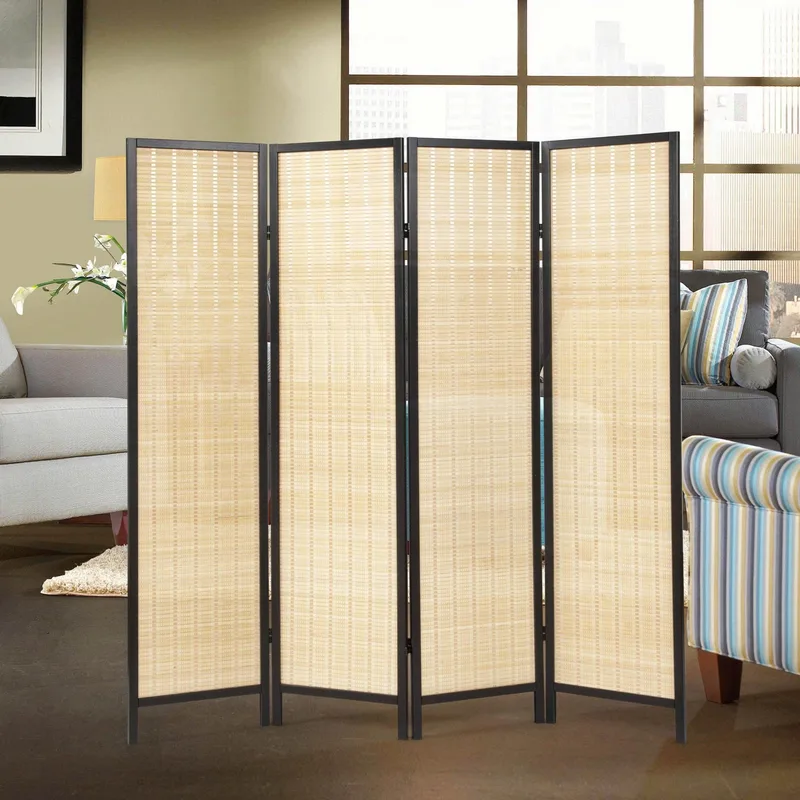 | Bamboo Weave | Material: New Zealand pine and bamboo | Panels: 4 folding panels | Finish: Black frame, bamboo weave | Check price on Amazon | Read Our Analysis |
| Roundhill Quarterfoil 4-Panel Room Divider, White | 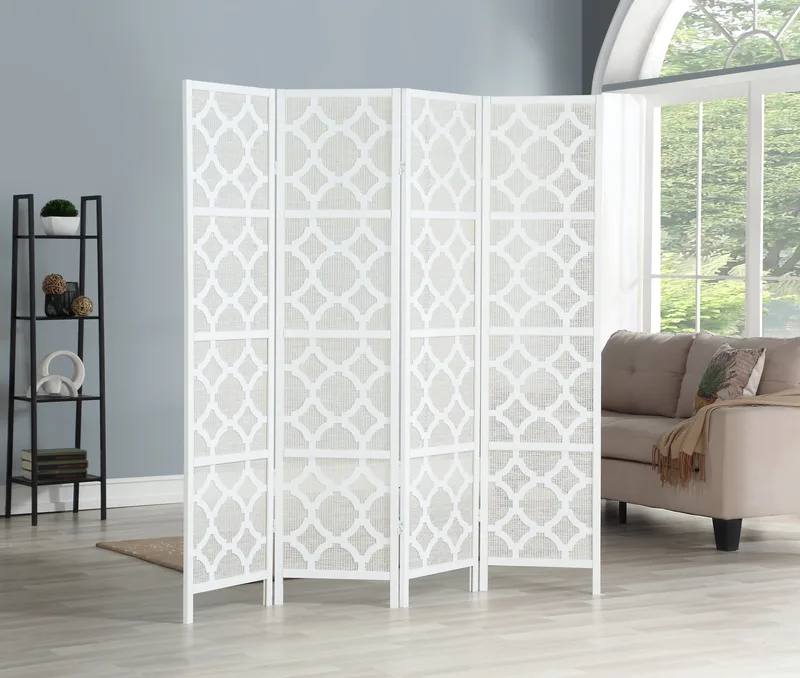 | Airy Pattern | Pattern: Quatrefoil diamond | Panels: 4 with fabric inlay | Frame: Solid wood | Check price on Amazon | Read Our Analysis |
More Details on Our Top Picks
Tribesigns Wall Room Divider with Shelves
Looking for a stylish storage solution that also serves as a room divider? The Tribesigns Wall Room Divider with Shelves offers a sleek and functional option. Standing 70.9 inches tall and spanning nearly 48 inches wide, it’s designed to fit seamlessly in both home and office spaces.
With open display shelves, users can showcase books, plants, or photos, while keeping essentials nearby. Made from engineered wood and metal, it provides durability and stability, thanks to a thickened base. Its modern, open design creates a breathable feel, making it perfect for privacy without shutting out light or airflow. Assembly is straightforward, with clear instructions included.
- Movability:Freestanding with stable base
- Number of Panels:1 panel with shelves
- Material:Engineered wood, metal
- Privacy Level:Open shelving, partial privacy
- Setup & Installation:Easy assembly with instructions
- Intended Use:Room partition with display/storage
- Additional Feature:Open display shelving design
- Additional Feature:Anti-tip safety device
- Additional Feature:Modern vertical metal bars
Roundhill Black Japanese 4-Panel Room Divider
Designed to add elegant privacy to any room, the Roundhill Black Japanese 4-Panel Room Divider offers a stylish solution for those seeking a refined touch. Its classic Japanese-inspired design features a black hardwood frame with a beautiful plum blossom pattern on white rice paper panels.
Each of the four panels measures about 18 inches wide and 71 inches tall, creating a total width of 71 inches when fully opened. The lightweight yet stable construction makes it easy to move and fold away when not in use. Perfect for living rooms, offices, or dining areas, it blocks views while letting light filter through, blending practicality with aesthetic appeal.
- Movability:Foldable, lightweight, foldable panels
- Number of Panels:4 panels
- Material:Rice paper, wood frame
- Privacy Level:Rice paper, light filtering
- Setup & Installation:Out-of-box use, foldable
- Intended Use:Decorative, privacy, light filtering
- Additional Feature:Traditional Japanese floral design
- Additional Feature:Thick rice paper panels
- Additional Feature:Foldable for storage
Roundhill Arvada 4-Panel Wood Room Divider, White
The Arvada gives an open-plan corner a bright, geometric break. Its solid wood frame carries a circle pattern across four folding panels, and the white finish keeps the screen light where a dark divider would close the room in. The panels hinge flat so it folds away when the space needs to open up again.
- Frame:Solid wood
- Design:Circle-pattern panel over solid wood frame
- Panels:Four folding panels
- Finish:White
- Use:Privacy screen or decorative accent
Roundhill Inkwell 4-Panel Bamboo Room Divider
Inkwell pairs a New Zealand pine frame with a woven bamboo face, which reads warmer than a plain screen beside a wood sofa. Four hinged panels fold compactly for storage or moving, and the dark frame suits rooms that already lean on black or walnut furniture.
- Material:New Zealand pine wood and bamboo
- Panels:Four hinged panels
- Finish:Black frame with natural bamboo weave
- Folding:Folds flat for storage
- Use:Room divider or accent screen
Roundhill Quarterfoil 4-Panel Room Divider, White
The Quarterfoil screen uses a solid wood frame with a fabric inlay behind a diamond lattice, so it interrupts sightlines without making a corner feel sealed off. It stands on its own and folds in four panels when the floor plan changes.
- Frame:Solid wood
- Inlay:Fabric behind the quatrefoil lattice
- Panels:Four folding panels
- Finish:White
- Use:Privacy screen or room accent
Factors to Consider When Choosing Living Room Dividers
When choosing a living room divider, it’s important to take into account how much space it will need and whether it provides the right level of privacy for the area. Materials should be durable enough to withstand everyday use, especially if the divider will be moved frequently or placed in high-traffic spots.
Additionally, matching the style and features to the room’s decor and purpose helps create a harmonious and functional living space.
Space Requirements
Determining the right size and style of a living room divider depends heavily on understanding the space it will occupy. First, measuring the available floor space helps decide the divider’s length, whether it’s 70–120 inches wide or smaller. It’s also important to consider the number of panels; a four-panel divider might offer more coverage, while a single-panel design can be sleeker. Height matters too—aligning the top with or above nearby furniture ensures effective separation.
Checking the freestanding footprint and stability features, like wider feet or heavy bases, prevents accidents. Lastly, think about mobility: wheeled options or tension stands allow easy reconfiguration. By carefully assessing these factors, one can select a divider that fits comfortably and functions well in the space.
Privacy Level
Privacy is often a top priority when choosing a living room divider, and several factors influence how well a divider can block sightlines and create a secluded spot. The fabric weight and material play a big role. Heavier fabrics like 240gsm polyester with a PA coating offer better opacity, preventing others from seeing through. Solid or dense panels, such as those made with wood or metal frames combined with fabric, also enhance privacy by reducing gaps and translucence.
Fixed, non-foldable screens tend to provide more consistent privacy compared to foldable designs, where hinges can create small openings. Additionally, sturdy bases and stable frames reduce wobbling, which might otherwise reveal silhouettes or movement. This ensures your private corner stays just that—private.
Material Durability
Have you ever wondered what makes a living room divider last for years instead of just a few months? The answer often lies in the materials used. Frames made of metal or wood with powder coatings are more resistant to rust and wear compared to thin plastic or fabric-only options.
When it comes to fabric panels, higher gsm (grams per square meter) and PA coatings boost durability by resisting abrasion and water, making them suitable for busy areas. Reinforced hinges and joints with double hinges or heavy-duty connectors help keep the divider stable over time. Additionally, foldable designs with wide bases or anti-tip features prevent tipping, preserving the structure’s integrity.
No-drill freestanding systems rely on sturdy frames and weighted bases to stay secure without wall mounting.
Portability Features
When choosing a living room divider, portability becomes a key factor to contemplate. Look for folding designs with hinges that allow the divider to take on different shapes or fold flat for easy storage. Units with lockable wheels or freestanding feet are ideal because they prevent wobbling when moved and make repositioning smoother. Lightweight models, weighing around 8 to 15 pounds, help avoid unnecessary strain during relocation.
No-drill or tension-mounted stands are great options if wall damage is a concern, as they’re easier to reposition without tools. Also, check for integrated carrying handles or compact folded dimensions, which make transporting and storing the divider more convenient. These features ensure the divider can adapt effortlessly to changing room layouts and needs.
Style Compatibility
Choosing a living room divider that matches the overall style of the space can make a big difference in how well it blends into the room. For example, a sleek, modern divider with clean lines works best with contemporary furniture, while a rustic wood screen complements a cozy, country-inspired decor. Consider whether a folding, freestanding panel fits your space’s needs. Some designs, like 4- or 6-panel screens, offer more privacy and openness options.
Matching the frame and finish, such as black steel or natural wood, to your color palette and textures helps create a cohesive look. Decorative features like floral patterns or shelves can add charm, especially if they align with focal points in the room. Ultimately, choosing a style that resonates with your decor makes the divider feel like a natural extension of your living space.
Easy Assembly
What makes a living room divider easy to set up? Simplicity often comes down to design features. Many models use foldable panels connected by hinges, which can be quickly reshaped and stored away when not needed. No-drill tension supports or freestanding frames also help, allowing users to position the divider easily without tools or permanent fixtures. Clear instructions and included hardware make assembly straightforward, reducing guesswork and time.
Adjustable-height or configurable panels are perfect for uneven or changing room sizes, making setup less of a hassle. Features like removable feet or stable bases also contribute to easier repositioning during assembly or reconfiguration. Altogether, these thoughtful design elements make living room dividers more user-friendly, saving time and effort while ensuring a secure, versatile setup.
Frequently Asked Questions
Are Living Room Dividers Suitable for Outdoor Use?
Living room dividers are generally unsuitable for outdoor use, as exposure to weather can damage materials like fabric or wood.
For instance, a family’s outdoor patio divider deteriorated quickly, illustrating the importance of choosing weather-resistant options for outdoor spaces.
How Stable Are Portable Room Dividers on Uneven Surfaces?
Portable room dividers generally exhibit limited stability on uneven surfaces, often requiring additional support or leveling adjustments. Their stability depends on design, weight distribution, and surface compatibility, which can vary considerably among different models and materials.
Can Room Dividers Be Customized or Painted to Match Decor?
Room dividers can often be customized or painted to match decor, depending on their material. Wooden or fabric dividers are typically easier to personalize, allowing homeowners to achieve a seamless integration with existing interior styles.
Do Room Dividers Block Sound Effectively?
Like a dense forest muffling whispers, room dividers vary in sound-blocking effectiveness; some absorb noise markedly, especially upholstered or fabric options, while others are less effective, mainly relying on their material density and design complexity.
In general, the effectiveness of a room divider in blocking sound depends on its construction and materials. Upholstered or fabric-covered dividers tend to absorb sound better, whereas lightweight or open designs allow more noise to pass through.
Are There Eco-Friendly Living Room Divider Options Available?
Eco-friendly living room divider options include those made from sustainable materials like bamboo, reclaimed wood, recycled metals, and biodegradable fabrics. These options offer environmentally conscious choices that combine functionality with reducing ecological impact and promoting sustainable living practices.