

| Garvee 6-Tier Metal Bookshelf, Black | 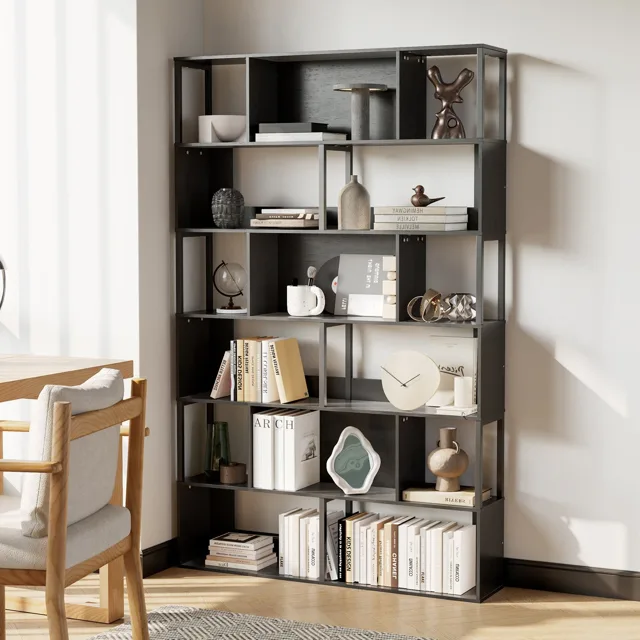 | Open Shelving | Type: Freestanding open shelving | Shelves: 6 open shelves | Material: E0-grade particleboard | Check price | Read Our Analysis |
| Garvee 6-Tier Metal Bookshelf, Brown | 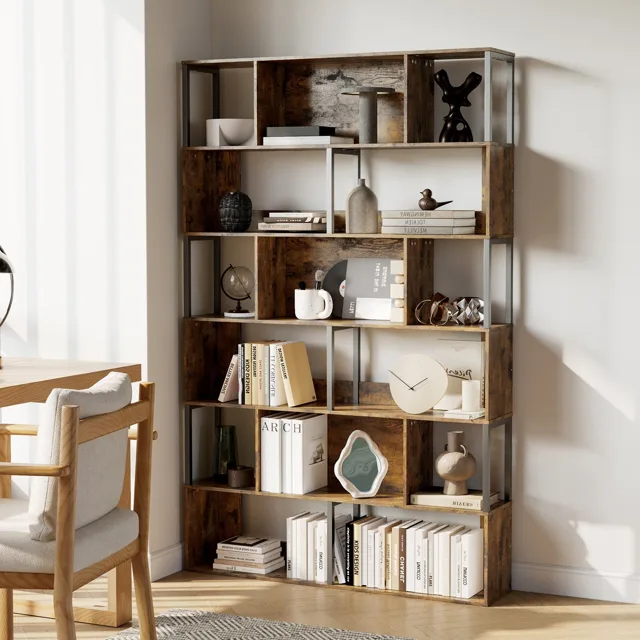 | Rustic Brown | Type: Freestanding open shelving | Shelves: 6 open shelves | Finish: Rustic brown | Check price | Read Our Analysis |
| Claridge Folding Screen 68 x 72 | 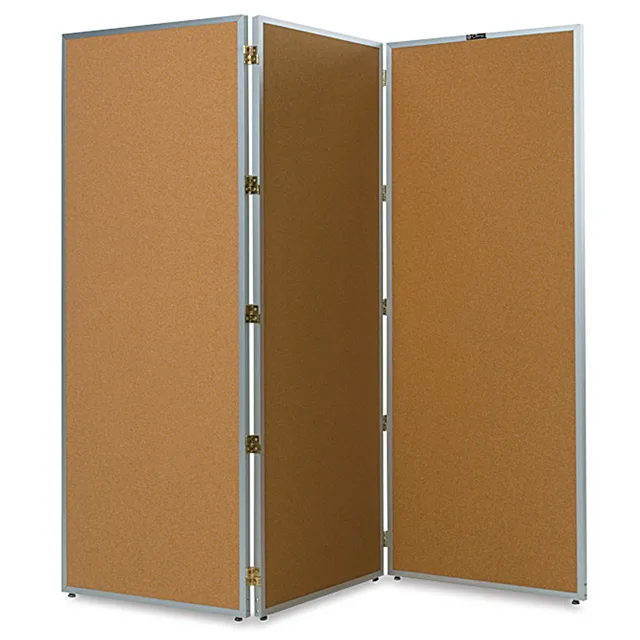 | Folding Metal Screen | Type: Folding screen | Size: 68 in wide x 72 in tall | Frame: Satin aluminium | Check price | Read Our Analysis |
| Screenflex 3-Panel Room Divider | 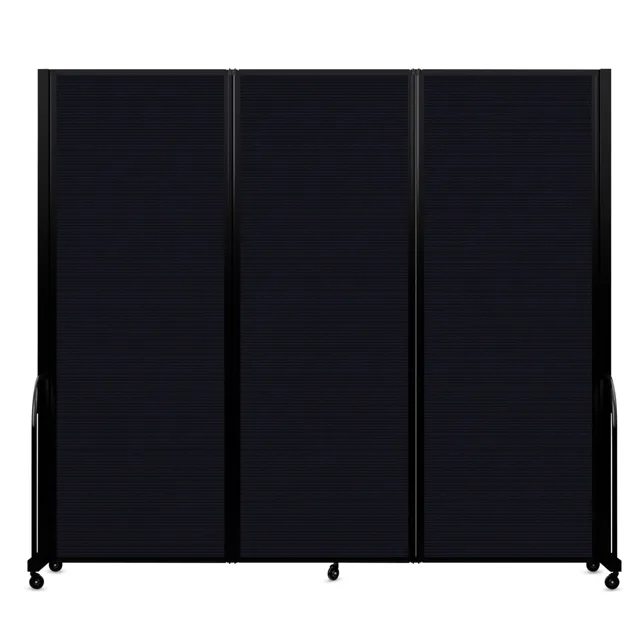 | Large Space Divider | Panels: 3 panels | Size: 7 ft 6 in tall x 8 ft 7 in wide | Color: Black | Check price | Read Our Analysis |
More Details on Our Top Picks
Garvee 6-Tier Metal Bookshelf, Black
Open Shelving
An open bookcase that separates one part of a room from another without closing either off. Six open shelves give you storage on the divider itself, and because the shelving is open rather than a solid screen, it does not shut the light out of a small living room.
Garvee lists the unit as a metal bookshelf, and the build itself is E0-grade particleboard panels with a geometric side profile. It stands freestanding, so it can go in front of a rented wall without a fixing. Two anti-tip kits are included if you want to anchor the top, which is worth doing in a house with children or pets. The black finish suits rooms that already use dark metal or charcoal furniture.
- Type:Freestanding open shelving
- Shelves:6 open shelves
- Material:E0-grade particleboard
- Privacy Level:Open shelving, partial privacy
- Assembly:Required; two anti-tip kits included
- Intended Use:Room divider with display and storage
- Finish:Black
Garvee 6-Tier Metal Bookshelf, Brown
Rustic Brown
The same six-tier shelf in a rustic brown finish, for rooms where black would read too heavy. The open shelves take books, plants and baskets, and because the unit is only as deep as a bookcase, it divides a seating area from a dining space without eating much floor.
The panels are E0-grade particleboard, which Garvee describes as giving the unit strong, wobble-free support, and the two included anti-tip kits let you anchor it to the wall. Pair it with oak or walnut furniture and the divider reads as part of the room rather than a screen dropped into it.
- Type:Freestanding open shelving
- Shelves:6 open shelves
- Material:E0-grade particleboard
- Privacy Level:Open shelving, partial privacy
- Assembly:Required; two anti-tip kits included
- Intended Use:Room divider with display and storage
- Finish:Rustic brown
Claridge Folding Screen 68 x 72
Folding Metal Screen
A hinged screen with a satin aluminium frame that folds flat and moves wherever the break is needed. It stands 72 inches tall and spans 68 inches when open, which is enough to hide a desk or a laundry corner from the sofa without building a wall.
The metal finish keeps it visually light, and the folded profile stores behind a door when the room has to open up for guests. Some assembly is required before the first use. For a metal-framed divider at this size, the Claridge folding screen is the simplest option we could link to.
- Type:Folding screen
- Size:68 in wide x 72 in tall
- Frame:Satin aluminium
- Movability:Folds flat for storage
- Assembly:Some assembly required
- Intended Use:Room divider or display screen
Screenflex 3-Panel Room Divider
Large Space Divider
A freestanding three-panel divider built for bigger rooms. Opened out it runs 8 feet 7 inches wide and stands 7 feet 6 inches tall, so it covers far more floor than a folding screen and can split an open living-dining space or a home office into two usable halves.
The black panels and frame keep it unobtrusive in a modern room. It is the choice here when the job is genuinely dividing a room rather than screening a corner.
- Type:Freestanding panel divider
- Panels:3
- Size:7 ft 6 in tall x 8 ft 7 in wide
- Color:Black
- Setup:Freestanding, no wall fixing
- Intended Use:Dividing large rooms or open offices
Factors to Consider When Choosing Living Room Dividers
When choosing a living room divider, it’s important to take into account how much space it will need and whether it provides the right level of privacy for the area. Materials should be durable enough to withstand everyday use, especially if the divider will be moved frequently or placed in high-traffic spots.
Additionally, matching the style and features to the room’s decor and purpose helps create a harmonious and functional living space.
Space Requirements
Determining the right size and style of a living room divider depends heavily on understanding the space it will occupy. First, measuring the available floor space helps decide the divider’s length, whether it’s 70–120 inches wide or smaller. It’s also important to consider the number of panels; a four-panel divider might offer more coverage, while a single-panel design can be sleeker. Height matters too—aligning the top with or above nearby furniture ensures effective separation.
Checking the freestanding footprint and stability features, like wider feet or heavy bases, prevents accidents. Lastly, think about mobility: wheeled options or tension stands allow easy reconfiguration. By carefully assessing these factors, one can select a divider that fits comfortably and functions well in the space.
Privacy Level
Privacy is often a top priority when choosing a living room divider, and several factors influence how well a divider can block sightlines and create a secluded spot. The fabric weight and material play a big role. Heavier fabrics like 240gsm polyester with a PA coating offer better opacity, preventing others from seeing through. Solid or dense panels, such as those made with wood or metal frames combined with fabric, also enhance privacy by reducing gaps and translucence.
Fixed, non-foldable screens tend to provide more consistent privacy compared to foldable designs, where hinges can create small openings. Additionally, sturdy bases and stable frames reduce wobbling, which might otherwise reveal silhouettes or movement. This ensures your private corner stays just that—private.
Material Durability
Have you ever wondered what makes a living room divider last for years instead of just a few months? The answer often lies in the materials used. Frames made of metal or wood with powder coatings are more resistant to rust and wear compared to thin plastic or fabric-only options.
When it comes to fabric panels, higher gsm (grams per square meter) and PA coatings boost durability by resisting abrasion and water, making them suitable for busy areas. Reinforced hinges and joints with double hinges or heavy-duty connectors help keep the divider stable over time. Additionally, foldable designs with wide bases or anti-tip features prevent tipping, preserving the structure’s integrity.
No-drill freestanding systems rely on sturdy frames and weighted bases to stay secure without wall mounting.
Portability Features
When choosing a living room divider, portability becomes a key factor to contemplate. Look for folding designs with hinges that allow the divider to take on different shapes or fold flat for easy storage. Units with lockable wheels or freestanding feet are ideal because they prevent wobbling when moved and make repositioning smoother. Lightweight models, weighing around 8 to 15 pounds, help avoid unnecessary strain during relocation.
No-drill or tension-mounted stands are great options if wall damage is a concern, as they’re easier to reposition without tools. Also, check for integrated carrying handles or compact folded dimensions, which make transporting and storing the divider more convenient. These features ensure the divider can adapt effortlessly to changing room layouts and needs.
Style Compatibility
Choosing a living room divider that matches the overall style of the space can make a big difference in how well it blends into the room. For example, a sleek, modern divider with clean lines works best with contemporary furniture, while a rustic wood screen complements a cozy, country-inspired decor. Consider whether a folding, freestanding panel fits your space’s needs. Some designs, like 4- or 6-panel screens, offer more privacy and openness options.
Matching the frame and finish, such as black steel or natural wood, to your color palette and textures helps create a cohesive look. Decorative features like floral patterns or shelves can add charm, especially if they align with focal points in the room. Ultimately, choosing a style that resonates with your decor makes the divider feel like a natural extension of your living space.
Easy Assembly
What makes a living room divider easy to set up? Simplicity often comes down to design features. Many models use foldable panels connected by hinges, which can be quickly reshaped and stored away when not needed. No-drill tension supports or freestanding frames also help, allowing users to position the divider easily without tools or permanent fixtures. Clear instructions and included hardware make assembly straightforward, reducing guesswork and time.
Adjustable-height or configurable panels are perfect for uneven or changing room sizes, making setup less of a hassle. Features like removable feet or stable bases also contribute to easier repositioning during assembly or reconfiguration. Altogether, these thoughtful design elements make living room dividers more user-friendly, saving time and effort while ensuring a secure, versatile setup.
Frequently Asked Questions
Are Living Room Dividers Suitable for Outdoor Use?
Living room dividers are generally unsuitable for outdoor use, as exposure to weather can damage materials like fabric or wood.
For instance, a family’s outdoor patio divider deteriorated quickly, illustrating the importance of choosing weather-resistant options for outdoor spaces.
How Stable Are Portable Room Dividers on Uneven Surfaces?
Portable room dividers generally exhibit limited stability on uneven surfaces, often requiring additional support or leveling adjustments. Their stability depends on design, weight distribution, and surface compatibility, which can vary considerably among different models and materials.
Can Room Dividers Be Customized or Painted to Match Decor?
Room dividers can often be customized or painted to match decor, depending on their material. Wooden or fabric dividers are typically easier to personalize, allowing homeowners to achieve a seamless integration with existing interior styles.
Do Room Dividers Block Sound Effectively?
Like a dense forest muffling whispers, room dividers vary in sound-blocking effectiveness; some absorb noise markedly, especially upholstered or fabric options, while others are less effective, mainly relying on their material density and design complexity.
In general, the effectiveness of a room divider in blocking sound depends on its construction and materials. Upholstered or fabric-covered dividers tend to absorb sound better, whereas lightweight or open designs allow more noise to pass through.
Are There Eco-Friendly Living Room Divider Options Available?
Eco-friendly living room divider options include those made from sustainable materials like bamboo, reclaimed wood, recycled metals, and biodegradable fabrics. These options offer environmentally conscious choices that combine functionality with reducing ecological impact and promoting sustainable living practices.