

| WaterBoss 22000 Whole-House Water Softener | 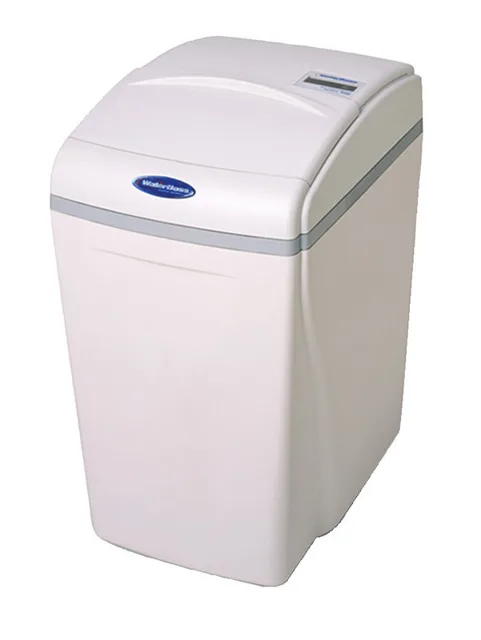 | Softener and filter | 22,000-grain capacity | Softens up to 70 gpg | Filters dirt and sediment | View Latest Price | Read Our Analysis |
| WaterBoss 36400 Whole-House Water Softener | 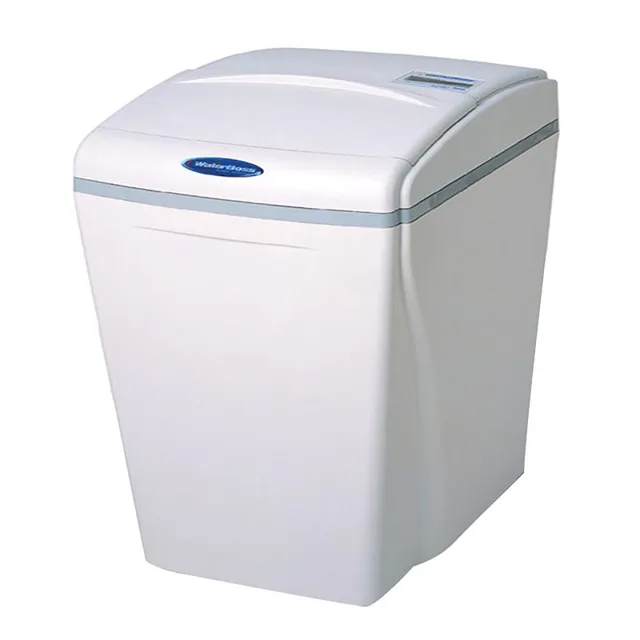 | Larger capacity | 36,400-grain capacity | Softens up to 90 gpg | Model 900, for large families | View Latest Price | Read Our Analysis |
| NuvoH2O Home Duo Water Softener System | 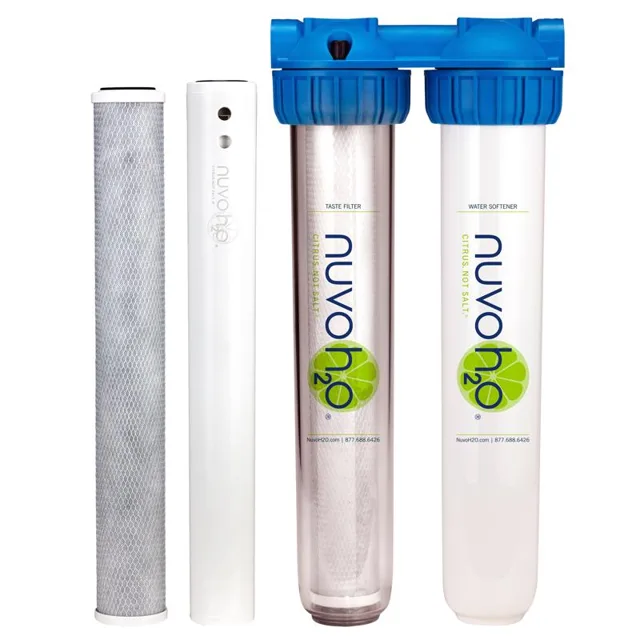 | Cartridge upkeep | Cartridge change upkeep | Mid-priced NuvoH2O unit | Whole-house softener | View Latest Price | Read Our Analysis |
| NuvoH2O Manor Salt Free Water Softener | 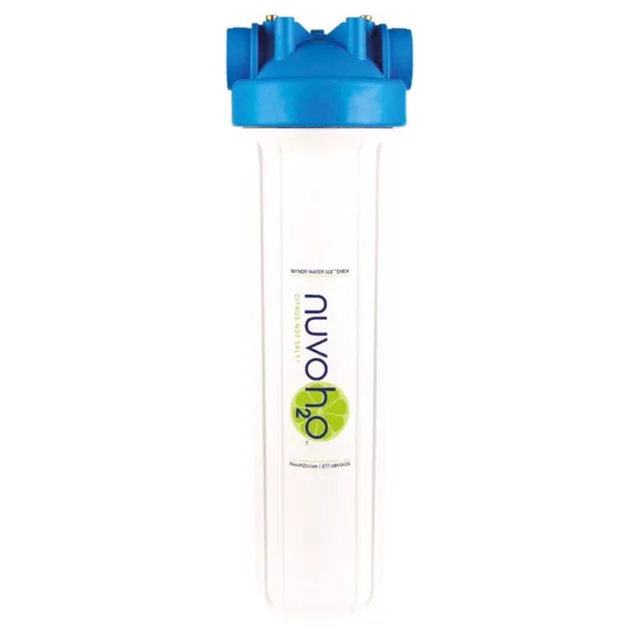 | Salt-free | Citrus-based CitraCharge | Cartridge up to 6 months | Salt-free, minerals kept | View Latest Price | Read Our Analysis |
| NuvoH2O Manor Plus Hybrid Water Softener | 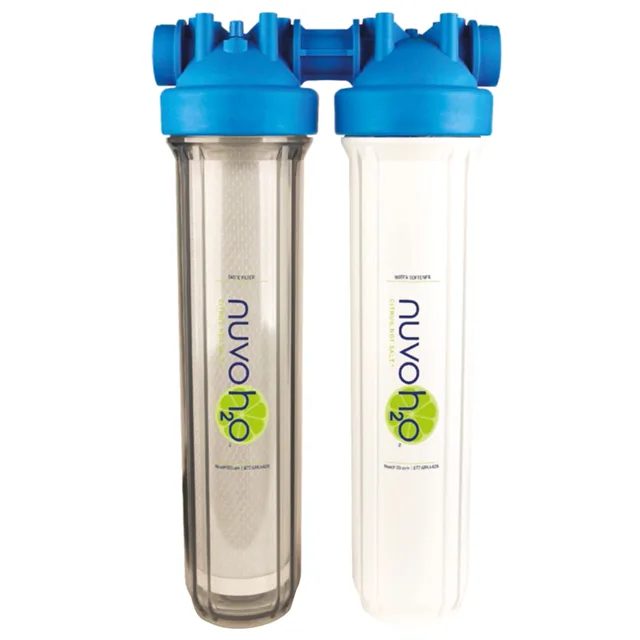 | Hybrid | Hybrid softener | Top of this lineup | Confirm stages before buying | View Latest Price | Read Our Analysis |
More Details on Our Top Picks
WaterBoss 22000 Whole-House Water Softener
The WaterBoss 22000 is the model 700, and the listing covers both jobs: it softens up to 70 grains per gallon, reduces up to 10 ppm of ferrous iron, and filters dirt and sediment. The whole-house filter is built in and self-cleaning, so there are no cartridges to change.
Salt is how it regenerates, so budget for bags of salt and a drain for the brine; the salt-free versus salt-based comparison further down applies directly. The maker sizes it for a household of three to four people.
- Model:WaterBoss 700
- Grain capacity:22,000
- Max hardness:70 grains per gallon
- Iron reduction:Up to 10 ppm
- Filtration:Dirt and sediment, self-cleaning
- Salt storage:120 lb
- Household:3 to 4 people
WaterBoss 36400 Whole-House Water Softener
The WaterBoss 36400 is the model 900, the high-usage unit in the range: 36,400 grains of capacity, up to 90 grains per gallon of hardness, the same 10 ppm of ferrous iron, and dirt and sediment filtration.
It stores more salt between refills and regenerates for longer than the 22000, which is why the maker points it at large families. Both WaterBoss models regenerate with salt and need a drain.
- Model:WaterBoss 900
- Grain capacity:36,400
- Max hardness:90 grains per gallon
- Iron reduction:Up to 10 ppm
- Filtration:Dirt and sediment
- Salt storage:160 lb
- Household:Large families
NuvoH2O Home Duo Water Softener System
The Home Duo is the mid-priced NuvoH2O system here, and the shop sells a replacement cartridge and filter for it, so cartridge changes are the routine upkeep rather than bags of salt.
The listing itself is thin on detail, so check the capacity it is rated for before you buy; the Home and Manor lines are sized for different households, and that is the decision that matters.
- Type:Water softener system
- Model:711157
- Upkeep:Replacement cartridge and filter
- Line:NuvoH2O Home Duo
- Position:Mid-priced unit here
NuvoH2O Manor Salt Free Water Softener
The Manor is the salt-free system with a described method: NuvoH2O's citrus-based CitraCharge formula bonds to calcium and magnesium so they cannot stick to pipes and surfaces, which is how it prevents scale without taking the minerals out. The shop rates a cartridge at up to six months.
It is compact enough for a tight plant room, and a cartridge change is the only routine job. If you want softening that removes the minerals, this is not that; it keeps them in the water.
- Method:Citrus-based CitraCharge
- Cartridge life:Up to 6 months
- Minerals:Kept in the water
- Scale:Prevented, not removed
- Size:Compact
- Upkeep:Simple cartridge change
NuvoH2O Manor Plus Hybrid Water Softener
The Manor Plus is the hybrid in the range and the top price here. The shop lists it as a hybrid water softener rather than a cartridge system, so it is the one to ask about if you want filtration and scale control from a single installation.
Its listing carries no further detail, so confirm the stages it includes and the replacement interval with the shop before you buy; those decide the running cost.
- Type:Hybrid water softener
- Model:DPNCB
- Line:NuvoH2O Manor
- Position:The hybrid model here
- Before buying:Confirm stages and cartridge interval
Factors to Consider When Choosing Water Softeners With Filter Combo
You’ll want a unit that matches your water source, hardness level, and filtration needs for clear, effective results. Consider how many filtration stages you get, and whether you prefer salt-free or traditional salt-based operation, based on maintenance and output. Look for downtime features and overall compatibility with your home setup to avoid surprises down the line.
Water Source Compatibility
Water source compatibility is a key factor when selecting a water softener with a built-in filter. Some systems are designed for city water, while others suit well water, affecting contaminant removal and whether you get salt-free or traditional softening. Salt-free combos focus on scale prevention and mineral retention, whereas salt-based or RO-inclusive units may remove minerals more aggressively and treat hardness differently. Whole-house configurations with integrated filtration—sediment, carbon, UV, or KDF media—are often tailored to your source water profile, depending on city versus well supply. Your choice should consider water hardness and TDS, with descalers or higher-capacity models fitting stronger well-derived hardness. Finally, note any source-water parameter limits (alkalinity, pH, iron, microbial content) to ensure effective performance.
Hardness Capacity Match
Hardness capacity is the backbone of a reliable filter combo, so you’ll want a unit that matches or exceeds your home’s total hardness to prevent scale across all fixtures. Aim for a higher grain capacity if you have a multi-bath home, so you can serve every bathroom without constant regeneration; the WaterBoss 22000 is the smaller of the two WaterBoss units, sized for a typical single-family home, and the 36400 covers a bigger one. Extra filtration stages alongside the softener deal with chlorine, VOCs and sediment without a second unit. A digital metered control head helps optimize regeneration based on actual water usage, boosting efficiency for higher hardness loads. When selecting, ensure the capacity aligns with your household’s water usage patterns and measured hardness to avoid undersizing that leads to persistent scale.
Filtration Stages Clarity
Filtration stages in a water softener with a filter combo shape the overall protection you get: multiple layers work together to remove chlorine, VOCs, sediments, tastes, and odors while softening minerals. Many systems combine sediment filtration, carbon filtration, and salt-free softening in one unit, often listing stages as sediment/carbon/softening (and sometimes UV) to signal multi-layer treatment. Filtration stages frequently target chlorine, chloramine, VOCs, pesticides, bad tastes, and odors, with carbon blocks and GAC commonly used for these contaminants. Some products include a pre-filter stage (e.g., sediment plus carbon), followed by a softening or scale-control stage, and may add a UV or Scale Control Media for extra protection. Stage specs emphasize mineral retention, claiming filtration preserves healthy minerals while reducing contaminants and preventing scale.
Salt-Free vs Traditional
Choosing between salt-free and traditional salt-based water softeners with a filter combo comes down to how you want to handle minerals and contaminants: salt-free systems focus on preventing scale while preserving minerals, whereas traditional units rely on ion exchange to remove hardness and often use brine regeneration. Salt-free solutions don’t discharge wastewater, don’t require electricity, and don’t need bulky tanks, making installation simpler in many setups. They’re commonly paired with filtration to tackle contaminants without removing calcium and magnesium, preserving water taste and mineral balance. Traditional salt-based systems aggressively remove hardness minerals via ion exchange and need regular salt brine regeneration, which can affect taste and increase sodium in water. The NuvoH2O Manor above is one example of the salt-free route. If you value minimal waste and mineral preservation, salt-free may suit you; if complete hardness removal is your priority, consider traditional options.
System Downtime Features
Downtime features matter because a system that keeps running during outages or maintenance minimizes interruptions to your water supply. Look for built-in safety features and downtime protections that prevent damage or downtime during power outages or service events. A built-in metered control head helps reduce downtime by regenerating only as needed, based on usage and incoming water quality. Independent UV or filtration stages keep filtering active even if other components go offline for service. Many combos include warranties and lifetime support to minimize impact and provide quick assistance when issues arise. Downstream compatibility and digital displays aid in diagnosing downtime events quickly, enabling faster repairs or regeneration scheduling. Choose configurations that balance protection, monitoring, and service access for reliable, uninterrupted operation.
Maintenance Requirements
Maintenance requirements for water softeners with filter combos center on balancing resin life, filter media, and system automation. You’ll benefit from salt-free models that cut brine discharge and electricity use, reducing ongoing chores, though you’ll still change filter cartridges periodically. Many units include automatic metered control heads or digital displays that schedule regenerations or flush cycles by usage, lowering manual oversight. If your system combines multi-stage filtration (sediment, carbon, UV or KDF) with softening, maintenance splits between resin regeneration and filter replacement intervals. Filter changes come round on the schedule the maker sets for your water quality, while resin or media can last several years with proper care. On a cartridge system such as the NuvoH2O Home Duo the cartridge and filter make one scheduled replacement. Built‑in filtration generally lowers ongoing tasks, but monitor media and resin life as contaminants vary.
Warranty And Support
Before you buy, check the warranty terms and support options to guarantee long‑term protection and help when you need it. Look for an explicit warranty duration and a clear money-back window, to gauge true protection. Confirm whether support is lifetime or limited, and if activation is online, since many brands require it. Ensure customer service channels are clearly listed and that technical support remains available for the life of the system. Verify coverage includes both the softener unit and filtration components, valves, and media replacements, not just parts. Note any activation conditions, such as online registration, to avoid voided coverage. A robust warranty plus responsive support saves time, money, and hassle down the line.
Frequently Asked Questions
How Does a Salt-Free System Compare to a Salt-Based One?
Salt-free systems save you salt costs and maintenance, but don’t truly soften; salt-based ones remove minerals, delivering softer water. You’ll trade environmental friendliness for guaranteed softness, or choose a balanced option if scalability and taste matter to you.
Do These Combos Remove Hardness Minerals Effectively?
The two kinds work differently. The salt-based WaterBoss softeners remove calcium and magnesium through ion exchange, while the salt-free NuvoH2O systems leave those minerals in the water and work on scale instead. How well either keeps up depends on the model and on renewing the resin or cartridge on schedule.
What Maintenance Frequency Do These Units Require?
You should check the manufacturer’s guidelines. Salt-based units need a steady supply of salt and periodic resin cleaning, while cartridge systems need their cartridge and filter replaced on the maker’s schedule. Regularly monitor water taste and hardness to catch performance dips early.
Can They Handle Well Water Versus City Water?
Yes, they can, but it depends on the model and settings. For well water, you’ll need pre-treatment to reduce iron and sediment, and occasional resin cleaning; city water generally requires less aggressive maintenance and adjustments.
What Is the Typical Flow Rate and Warranty Coverage?
Flow rate and warranty vary by model. Check the flow figure the maker lists for a household your size, and read what the warranty covers, since tanks, valves and electronics are often treated differently.