
Quick Answer: DeWalt and Makita both build serious cordless drill lines, and the search usually means choosing a battery platform as much as a badge. DeWalt’s 20V MAX ATOMIC tools push a short head length for tight spots, while Makita’s 18V LXT kits pack torque figures and fast-charge batteries. Pick DeWalt if you already run 20V MAX and want the shortest ATOMIC body for cabinets and masonry. Pick Makita if you want 18V LXT torque, star-protected batteries and a kit that charges in half an hour. This page compares the brands through six drills you can order now: hammer drills, compact drill/drivers and kits from each side.
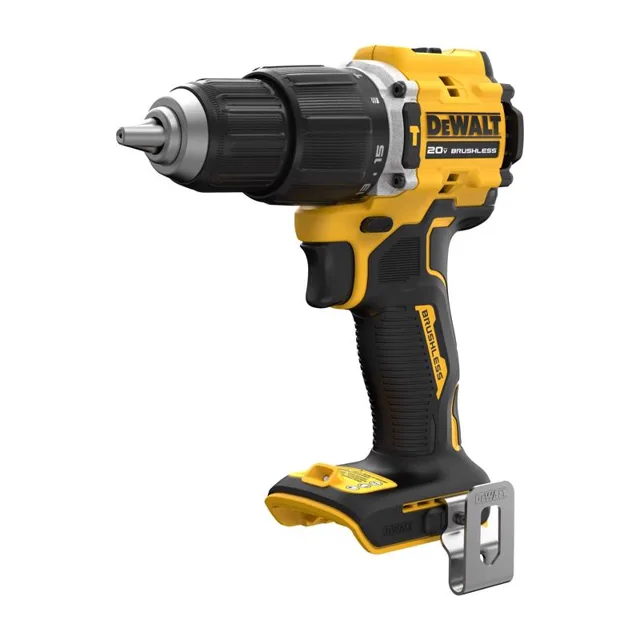
Brushless hammer and drill/driver tools with a short head length and a 1/2 in ratcheting chuck on 20V MAX.
Check price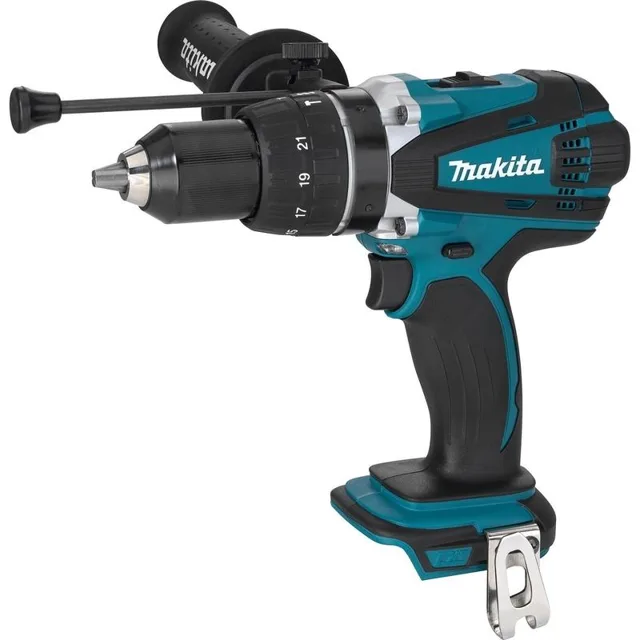
DeWalt vs Makita at a Glance
Both brands sell hammer drills, everyday drill/drivers and starter kits, so the useful comparison is the tool type and the battery line you are buying into. The table below lists the points that change from one model to the next, which is where the real difference between two drills sits.
| What to compare | Why it matters |
|---|---|
| Battery platform | DeWalt 20V MAX tools need 20V MAX packs; Makita LXT tools need 18V LXT slide-style batteries. |
| Chuck size | Each drill in this comparison carries a 1/2 in chuck for larger bits. |
| Hammer vs drill/driver | Hammer drills add a percussion mode for masonry; drill/drivers focus on wood, metal and fastening. |
| Tool only vs kit | Tool-only versions assume you already own batteries; kits ship with a pack and charger. |
| Head length | Shorter head length helps inside cabinets, between studs and in crawl spaces. |
| Motor type | Brushless motors run cooler on heavy cycles; brushed motors still appear on some hammer tools. |
DeWalt Overview
DeWalt’s side of this comparison is the 20V MAX ATOMIC compact line: brushless hammer and drill/driver bodies sold tool-only, plus an ATOMIC drill/driver kit with a battery and charger. DeWalt lists the hammer drill (model DCD799B) at up to 552 unit watts out (UWO), up to 1,650 RPM and up to 28,050 blows per minute, with a tool-head length of 6.49 in and 15 clutch settings. The matching ATOMIC drill/driver (DCD794B) is rated at 404 UWO, up to 1,650 RPM no-load and a 5.88 in tool-head length. Both use a 1/2 in ratcheting chuck and an on-tool LED work light.
The DeWalt 20V MAX ATOMIC drill/driver suits a shopper who already owns 20V MAX batteries and wants the shorter ATOMIC body for everyday holes and driving. The ATOMIC drill/driver kit (DCD794D1) adds a battery and charger, lists 380 UWO from the brushless motor, and includes an ergonomic handle and a removable belt hook. If layout work matters as much as drilling, our review of the DEWALT DW088CG laser level covers the layout tool from the same brand.
Makita Overview
Makita’s spread in this comparison covers a brushless compact drill/driver sold tool-only, a brushed hammer driver-drill (model XPH03Z) and the XFD131 brushless driver-drill kit with battery and charger. Makita rates the XPH03Z hammer driver-drill at 750 in.-lbs. of max torque and calls it more compact and lighter than the previous model, with increased resistance to water and dust on the job site. Star Protection communication between tool and battery guards against overloading, over-discharging and overheating on that hammer tool.
The Makita 18V LXT drill/driver kit (XFD131) pairs 440 in.-lbs. of max torque with a brushless motor, a mechanical two-speed transmission (0–500 and 0–1,900 RPM), dual LED work lights with afterglow, and a 3.0Ah battery that reaches a full charge in 30 minutes. The tool weighs 3.8 lbs with that 3.0Ah pack. Makita also sells a compact 18V LXT brushless drill/driver with a 1/2 in chuck, without a battery or charger.
Battery Platforms and Kits
DeWalt groups these ATOMIC drills on the 20V MAX platform. Tool-only versions expect you to supply your own 20V MAX packs and charger, while the ATOMIC drill/driver kit ships with battery and charger in one box. Makita uses the 18V LXT slide-style system on every tool here, and the XFD131 kit includes an 18V LXT 3.0Ah battery plus charger.
If you run corded tools from a generator or a battery station in the field, a portable power station for power tools is what keeps chargers running away from a wall outlet. Inside a fixed shop, a solid bench matters as much as the drill: see workbench kits for DIY when you are setting up the surface these drills will live on.
Compact Size and Everyday Drilling
Head length is where the ATOMIC DeWalt tools make their case. DeWalt calls the hammer drill its shortest 20V MAX hammer drill at 6.49 in tool-head length and the drill/driver its shortest 20V MAX drill/driver at 5.88 in. Those shorter heads leave more room to position the drill inside cabinets, between studs or in crawl spaces. LED work lights on both ATOMIC bare tools are aimed at those tight, dim areas.
On the Makita side, the XFD131 kit is the detailed everyday drill here: adjustable torque settings in driver mode, rubberized soft grip, all-metal gears and the two-speed gearbox for both drilling and fastening. The compact brushless drill/driver sold tool-only fits the same 18V LXT batteries if you already own the platform.
Hammer Drills and Masonry
For concrete, brick and block, compare the two hammer drills shown at the top of the page. DeWalt’s ATOMIC hammer drill is brushless, lists up to 552 UWO and up to 28,050 BPM, and keeps the 1/2 in ratcheting chuck for larger masonry bits. Makita’s 18V LXT hammer driver-drill in this comparison is a brushed tool with 750 in.-lbs. of max torque and engineering for water and dust resistance on site.
Neither brand wins masonry on the badge alone. A shopper who lives on 20V MAX and works mainly in tight framing bays will lean toward the shorter ATOMIC hammer body. A shopper who already owns star-marked 18V LXT packs will lean Makita, whose hammer driver-drill is rated at 750 in.-lbs. of max torque. Both hammer drills have a 1/2 in chuck. For wood and metal, a drill/driver on the same platform lets you use the batteries you already own.
Key Differences
- DeWalt tools in this comparison sit on 20V MAX; Makita tools sit on 18V LXT slide-style batteries.
- DeWalt publishes UWO and tool-head length on the ATOMIC hammer and drill/driver; the Makita kit publishes in.-lbs. torque and charge time.
- The DeWalt hammer drill here is brushless; the Makita hammer drill here is brushed.
- Both brands sell tool-only bodies and kits with battery and charger.
- Each drill in this comparison uses a 1/2 in chuck.
Who Should Pick Each
Pick DeWalt if you already own 20V MAX batteries, you work in tight spaces, and you want the shortest ATOMIC head length for hammer and drill/driver jobs. The ATOMIC hammer drill is the masonry pick on this page for that platform, and the drill/driver or kit covers everyday holes without leaving 20V MAX.
Pick Makita if you run or plan to run 18V LXT, you want a hammer driver-drill rated at 750 in.-lbs., or you want a kit with a 3.0Ah pack that charges in 30 minutes. The XFD131 kit is the most fully specified everyday drill on the Makita side here; add the brushed hammer tool if masonry is part of the mix.
Frequently Asked Questions
Can I use the same battery on every tool in this comparison?
No. DeWalt 20V MAX packs fit the DeWalt tools listed here, and Makita 18V LXT packs fit the Makita tools. Cross-brand batteries are not interchangeable.
Which hammer drill is brushless?
The DeWalt 20V MAX ATOMIC hammer drill in this comparison is brushless. The Makita 18V LXT hammer driver-drill listed here is brushed.
Do the tool-only versions include a battery?
Tool-only means the drill ships without a battery or charger. Kits such as the DeWalt ATOMIC drill/driver kit and the Makita XFD131 kit include a battery and charger in the box.
How long does the Makita kit take to charge?
Makita lists a full charge on the XFD131 kit’s 3.0Ah battery in 30 minutes.
What chuck size do these drills use?
Each model in this comparison uses a 1/2 in chuck, whether it is listed as a hammer drill, a drill/driver or a driver-drill kit.
Verdict on DeWalt vs Makita
Neither name replaces the homework. Decide your battery platform first, because 20V MAX and 18V LXT are the long commitments. Then pick the tool type: hammer drill for masonry, drill/driver for everyday work, kit if you need packs and a charger in one purchase.
DeWalt fits shoppers who want the shortest ATOMIC bodies and already live on 20V MAX. Makita fits shoppers who want the published 750 in.-lbs. hammer torque, star-protected LXT batteries and a kit that returns to full charge in 30 minutes. Buy the model that matches your voltage, your space and your mix of drilling and driving rather than the logo on the side.